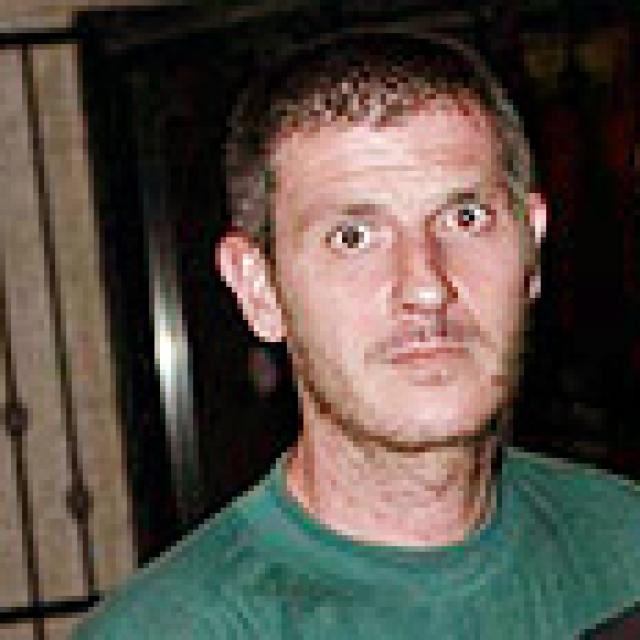
Asher Weisgun
 Israel
Asher Weisgan was an Israeli driver whose name became associated with the deadly 2005 Shilo shooting. He had transported Palestinian workers to jobs in the West Bank settlement’s industrial area. On the day Israel began its disengagement from Gaza, he killed four of those workers and wounded others. An Israeli court convicted him of murder and related offenses and imposed multiple life sentences.
Early Life and Work
Public accounts provide little detail about Weisgan’s early life. He lived in the West Bank settlement of Shvut Rachel and was a father of two. By 2005, he worked as a driver transporting Palestinian laborers to and from a factory in Shilo. Coworkers and neighbors described him as someone who had interacted amicably with the workers, a fact that made the violence that followed difficult for them to understand.
The Shilo Shooting
On August 17, 2005, as Israel began the evacuation of Israeli settlements in the Gaza Strip, Weisgan attacked Palestinian workers near Shilo. Four men were killed and two others were wounded. He surrendered to a security officer shortly afterward.
The timing placed the killings amid one of Israel’s most divisive political events: the Gaza disengagement, which involved the removal of Israeli troops and settlers from the territory. Weisgan said he acted in an effort to stop the withdrawal. Prosecutors argued that he sought to provoke retaliation and wider unrest that would divert Israeli forces and halt further evacuations. Those explanations described his stated political purpose; they did not lessen the criminal responsibility established at trial.
Trial and Sentence
In September 2006, the Jerusalem District Court found Weisgan guilty of four counts of murder, as well as attempted murder and other violent offenses. The court sentenced him to four consecutive life terms and an additional 12 years. The sentence reflected the scale of the attack and the deliberate targeting of workers who had shared daily contact with him.
His conviction drew attention to the fact that political violence in the conflict could also be committed by Jewish Israelis against Palestinians. Israeli leaders condemned the killings, while the court’s judgment set out the legal consequences for the attack.
Death in Prison
Weisgan died by suicide in Ayalon Prison on December 22, 2006, only months after sentencing. His death ended the legal proceedings but left the victims’ families and survivors with the consequences of the attack. The episode remains remembered as a politically motivated murder of Palestinian workers during the Gaza disengagement, and as a stark rupture in a workplace where some of the people involved had previously known one another as colleagues.