Ashraf Ghani
- Education and Years Abroad
- The Presidency and a Contested Mandate
- The Taliban’s Return
- A Career of Reconstruction and Collapse
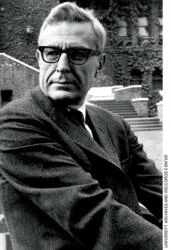
Ashraf Ghani’s career bridged academia, international development and the leadership of Afghanistan during a period of war and political transition. An anthropologist by training, he returned to the country after decades abroad to work in government, later becoming president in 2014. His administration pursued institutional reforms and negotiated amid a long conflict, but it ultimately collapsed as Taliban forces took Kabul in 2021.
Education and Years Abroad
Ghani was born on 19 May 1949 in Logar Province and grew up in Kabul. He studied at the American University of Beirut, where he earned an undergraduate degree, and later completed graduate work in anthropology at Columbia University in New York. He taught at universities in the United States, including Johns Hopkins, and joined the World Bank in 1991. His work there focused on development and the institutional changes needed to rebuild economies after conflict.
After the fall of the Taliban government in 2001, Ghani returned to Afghanistan and served as an adviser to the United Nations and the interim administration. He became finance minister in 2002 under President Hamid Karzai. In that role he helped introduce a new national currency and supported initiatives for locally directed development. After leaving the ministry, he served as chancellor of Kabul University and remained active in debates about reconstruction and governance.
The Presidency and a Contested Mandate
Ghani ran for president in 2009 and again in 2014. The 2014 election was disputed, especially after a contentious runoff with Abdullah Abdullah. A U.S.-brokered agreement created a national unity government, with Ghani as president and Abdullah in the newly established role of chief executive. The arrangement reflected the need to resolve the political crisis but also embedded a competing center of power within the administration.
Ghani presented himself as a reformer focused on reducing corruption, strengthening state institutions and improving economic ties with neighboring countries. His government faced persistent violence, pressure from insurgents and disagreements over appointments and authority. A second presidential election in 2019 was again contested; the final results were delayed, and both Ghani and Abdullah held rival inauguration ceremonies in March 2020 before another political agreement renewed their cooperation.
The Taliban’s Return
The U.S.-Taliban agreement signed in 2020 set a timetable for foreign troop withdrawal, while the Afghan government was not a party to the negotiations that produced it. As international forces departed in 2021, Taliban advances accelerated across the country. On 15 August, Taliban forces entered Kabul and the Afghan state collapsed. Ghani left the country that day and later said he had done so to prevent further bloodshed. He went to the United Arab Emirates, which announced that it had received him on humanitarian grounds.
The abrupt end to his presidency became a defining part of his public legacy. Supporters point to the difficult conditions he faced and the rapid breakdown of institutions after the withdrawal. Critics fault his leadership, political divisions within the government and the failure to prepare for the Taliban’s advance. The circumstances of the collapse remain the subject of debate among Afghans and international observers.
A Career of Reconstruction and Collapse
Ghani’s public life moved from scholarship and development work to the highest office in Afghanistan. His presidency sought to build a more capable state while confronting an insurgency and dependence on foreign military and financial support. The fall of Kabul left that project unfinished and turned his experience into a central case study in the limits of state-building under conditions of conflict.