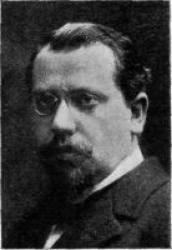
Basilios Bessarion
 Italy
Italy- Cardinal Bessarion: A Bridge Between East and West
- Early Life and Education
- Monasticism and Ecumenical Strivings
- Rome and the Papacy
- Intellectual Legacy
- Ecclesiastical Reforms and Diplomatic Missions
Cardinal Bessarion: A Bridge Between East and West
Cardinal Bessarion (originally named Basilios Bessarion), was an eminent Greek scholar and a key figure in the political and religious landscape of the 15th century.
Early Life and Education
Born in Trebizond, a thriving Greek colony on the shores of the Black Sea, Bessarion's date of birth is uncertain. The most widely accepted date is January 2, 1403, into a devout Greek Orthodox family. His prodigious intellect and thirst for knowledge set him apart from a young age. He pursued his studies in Constantinople and later traveled to the Peloponnese, where he was captivated by the teachings of the Byzantine philosopher George Gemistus Plethon.
Monasticism and Ecumenical Strivings
Upon embracing monasticism, Bessarion adopted the name of the Egyptian hermit-saint Bessarion, whose story deeply moved him. In 1436, he became the abbot of a monastery in Constantinople. In 1437, Emperor John VIII Palaiologos appointed him Metropolitan of Nicaea and dispatched him to Italy to seek a union between Catholics and Orthodox Christians. Bessarion initially opposed the idea, but later became a staunch advocate of it, making significant concessions to the Latin Church.
Rome and the Papacy
Greeted with hostility by Orthodox hierarchs upon his return to Greece, Bessarion departed permanently, abandoning the Orthodox Church. He found favor with Pope Eugene IV and was elevated to the rank of cardinal on December 18, 1439. He became a close advisor to the pope and remained in Italy for the rest of his life.
Intellectual Legacy
Bessarion played a pivotal role in the revival of interest in Greek language and philosophy in Europe. He amassed a remarkable collection of books and manuscripts, and his own writings and translations of ancient Greek philosophers were widely acclaimed. His palace in Rome became an academy, a hub for the burgeoning humanist movement, and a sanctuary for displaced Greek scholars and diplomats.
Ecclesiastical Reforms and Diplomatic Missions
As a cardinal, Bessarion was known for his strictness and zeal for reform. He was also respected for his impartiality and fairness. In addition to his ecclesiastical duties, Bessarion undertook diplomatic missions to foreign courts. In 1471, he visited the court of the notoriously ill-tempered King Louis XI of France. Contemporaries believed that the insults he endured from the king hastened Bessarion's death on November 18, 1472.