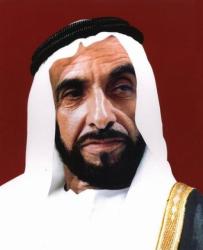
Benigno Simeon Aquino Jr
 Philippines
- Benigno Simeon Aquino, Jr.: A Life of Opposition and Sacrifice
- Senatorial Career and Opposition to Marcos
- Exile in the United States
- Return and Assassination
- Legacy
Benigno Simeon Aquino, Jr.: A Life of Opposition and Sacrifice
Early Life and Political BeginningsBenigno Simeon Aquino, Jr., affectionately known as Ninoy, was born on November 27, 1932, into a wealthy landowning family in Concepcion, Tarlac. His grandfather was a revolutionary general, and his father served as Vice President in José P. Laurel's collaborationist government during the Japanese occupation.
Aquino's educational journey was interrupted by his early entrance into journalism, covering the Korean War for 'The Manila Times' at the tender age of 17. At 18, he received the Philippine Legion of Honor from President Elpidio Quirino. His academic pursuits continued intermittently, culminating in his time at the University of the Philippines' law school.
Aquino's political career took off in 1955 when he became mayor of Concepcion, followed by Vice-Governor and Governor of Tarlac. In 1966, he rose to national prominence as the leader of the Liberal Party.
Senatorial Career and Opposition to Marcos
Aquino made history in 1967 as the youngest elected senator in Philippine history, at the age of 34. His popularity and vocal opposition to President Ferdinand Marcos posed a growing threat to Marcos and his military allies.
In 1972, Marcos declared martial law, suspending the constitution and cracking down on his critics. Aquino was among the first to be imprisoned on fabricated charges. His 40-day hunger strike in 1975 gained him widespread support.
Despite overwhelming evidence against him, Aquino was sentenced to death in 1977. However, Marcos spared his life in a strategic move to avoid creating a political martyr.
Exile in the United States
Following several heart attacks, Aquino was offered exile to the United States in 1980 as an alternative to execution. He underwent coronary bypass surgery in Dallas and vowed to return to the Philippines, believing that his country's interests superseded his own.
Aquino spent three years in exile in Massachusetts, writing two books and delivering speeches critical of the Marcos regime.
Return and Assassination
In 1983, Aquino defied threats to his life by returning to the Philippines, hoping to negotiate a peaceful return to democracy. Upon disembarking from his plane at Manila International Airport on August 21, 1983, he was assassinated with a shot to the head.
Sixteen individuals were later convicted in connection with the assassination, but all have since been released. Benigno Aquino, Jr.'s death became a catalyst for the 1986 People Power Revolution, which toppled the Marcos regime and ushered in the presidency of his widow, Corazon Aquino.
Legacy
Benigno Aquino, Jr.'s legacy lives on as a symbol of courage, sacrifice, and the enduring power of democracy. His death ignited a movement that restored the Philippines to democratic rule. In 2004, the anniversary of his assassination became a national holiday known as "Ninoy Aquino Day."