Bernardo Strozzi
 Italy
Italy- Bernardo Strozzi: A Leading Baroque Painter
- Departure from the Monastery
- Artistic Influences and Style
- Religious Compositions
- Portraiture and Genre Painting
- Late Career and Legacy
Bernardo Strozzi: A Leading Baroque Painter
Born in Genoa in 1581, Bernardo Strozzi began his artistic training under Cristoforo Corte and Pietro Sorri. In 1598, he joined the Capuchin order and became a monk at the Monastery of San Barnaba.
Departure from the Monastery
In 1610, Strozzi left the monastery with the permission to work in the secular world in order to support his family. He retained his spiritual title, earning the nickname "il prete Genovese" (the Genoese priest).
Artistic Influences and Style
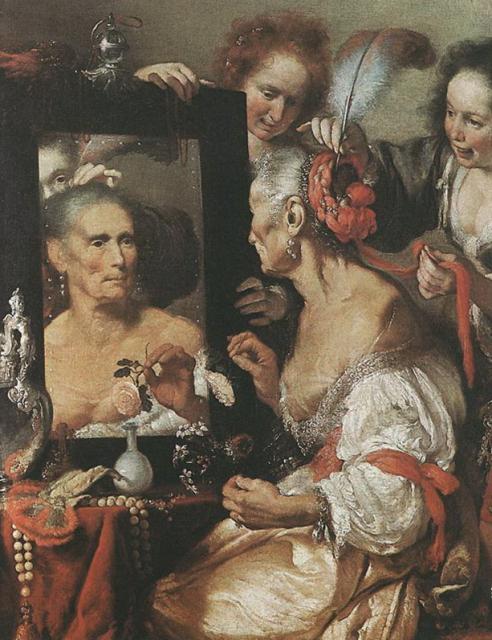
Strozzi's unique artistic style evolved from a mix of Mannerist, Caravaggist, Flemish, and Venetian influences. His early works exhibited dark, almost monochromatic tones, exemplified by "Saint Francis in Prayer" (1600s). However, his style later transformed into a more expressive and vibrant approach with bold strokes and strong color contrasts.
Religious Compositions
Strozzi's religious compositions displayed his mastery of the genre. Notable works include "Madonna and Child with Saints Laurence and the Young Saint John the Baptist" (1629), "Saint Sebastian Tended by Saint Irene," "Saint Laurence Distributing Church Goods" (both late 1630s), and "Rebekah and Eliezer at the Well" (1640s).
Portraiture and Genre Painting
Beyond religious themes, Strozzi also excelled in portraiture and genre painting. His "Cardinal F. Correr" (1630) is a distinguished example of his portraiture skills. His genre pieces, such as "The Cook" and "The Lute Player," showcased his ability to capture lively scenes and human types.
Late Career and Legacy
In 1630, Strozzi relocated to Venice, where he continued to hone his craft and gained recognition. He died in Venice on August 2, 1644. Strozzi's work has left a lasting impact on the development of Baroque painting, showcasing his unique blend of influences and expressive style.