Carl Johanson
- Early Life and Artistic Influences
- Revolutionary Years in Moscow
- Constructivism and Innovation
- Industrial Experience
Early Life and Artistic Influences
Born in Latvia, Boris Zaruga-Ioanson emerged as a prominent figure in both Russian and Latvian artistic circles. In 1914, he co-founded the avant-garde movement "Zaļā Puķe" ("Green Flower").
Revolutionary Years in Moscow
During the Russian Revolution, Ioanson relocated to Moscow, where he studied at the National Latvian Commissariat's art studio under the guidance of Alexander Drevin, his fellow "Green Flower" artist.
Constructivism and Innovation
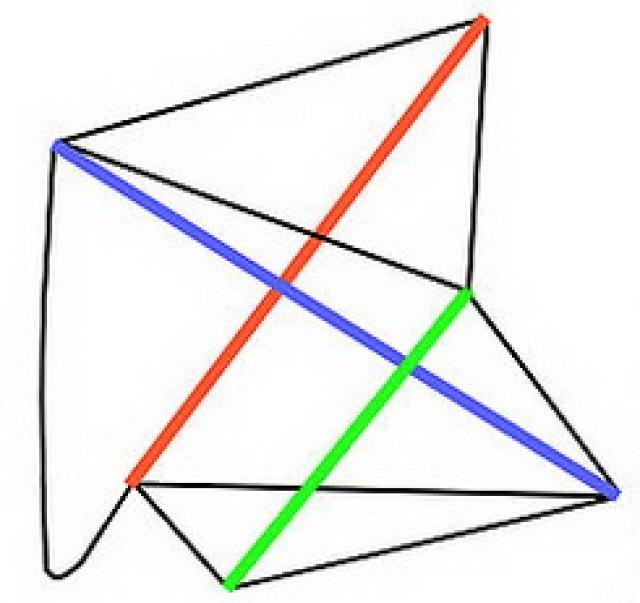
Ioanson became an integral part of the Russian Constructivist movement, exhibiting his groundbreaking "self-stressed constructions" at the Second Exhibition of the Society of Young Artists (OBMOkhu) in 1921. These constructions are believed to have foreshadowed the concept of tensegrity, later developed by Kenneth Snelson and R. Buckminster Fuller.
Industrial Experience
From 1923 to 1926, Ioanson worked as an industrial organizer at the "Krasny Prokatshchik" factory. This experience made him unique among Constructivists, as he was able to put their utopian ideal of bridging art and production into practice.