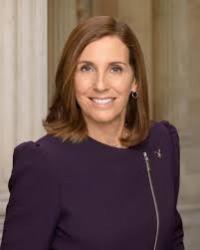
Cecile Kyenge
 Italy
- From Kambove to Italy
- Local and National Politics
- Racist Abuse and Public Response
- European Parliament and Later Work
- Personal Life and Significance
Cécile Kyenge’s path into Italian politics began with a move across continents and a career in medicine. Born in the Democratic Republic of the Congo, she arrived in Italy as a young woman to study, qualified as an ophthalmologist and entered local politics through work on migration and social inclusion. In 2013, she became Italy’s first Black cabinet minister, a milestone that brought her into government and made her a target of repeated racist abuse.
From Kambove to Italy
Cécile Kashetu Kyenge was born on August 28, 1964, in Kambove, in what is now the Democratic Republic of the Congo. She came to Italy in 1983 at age 19 to pursue medical studies. Financial support did not arrive immediately, so she worked while attending university, including domestic work, to fund her education. She studied medicine at the Catholic University of the Sacred Heart in Rome and later specialized in ophthalmology at the University of Modena and Reggio Emilia. She became an Italian citizen in the 1990s and practiced as an eye doctor.
Kyenge’s interest in social questions developed alongside her medical work. She became involved in organizations focused on cooperation between Italy and Africa, migrant health and the rights of immigrants. In Modena, she helped coordinate initiatives that connected diaspora communities and public services, drawing on her own experience of migration and her professional knowledge of health care.
Local and National Politics
Kyenge entered local politics in 2004, winning a seat on a district council in Modena. She later served as a provincial councillor and worked within the center-left Democratic Party on international cooperation and immigration. In the 2013 general election she was elected to the Chamber of Deputies.
On April 28, 2013, she joined Prime Minister Enrico Letta’s government as minister for integration. She also took responsibility for youth policy later that year. Her appointment was historic: she was the first Black minister in the history of the Italian Republic. She made citizenship law a central issue, supporting a more inclusive route to citizenship for children born in Italy to immigrant parents, and advocated changes to immigration rules. These proposals proved politically divisive and did not become law during her term.
Racist Abuse and Public Response
Kyenge’s appointment was followed by a barrage of racial insults, threats and hostile demonstrations. In July 2013, Northern League senator Roberto Calderoli compared her to an orangutan during a rally. At another event, a spectator threw bananas toward her as she spoke. Kyenge said the attacks affected not only her personally but also the institution she represented, and she rejected the idea that they would deter her from public service. She urged Italians to confront migration through better policy, communication and education.
Her political views also made her a target in party disputes. In 2018 she faced a libel trial after calling the Northern League, later renamed the League, racist. She chose to defend the statement in court, arguing that the case concerned the ability to challenge discrimination publicly.
European Parliament and Later Work
After leaving government, Kyenge served as a member of the European Parliament from 2014 to 2019. Her work continued to focus on human rights, anti-racism, migration and citizenship. She later returned to medical work, including primary care in the Veneto region, alongside policy and advocacy activities.
In March 2026, Kyenge left the Democratic Party and joined +Europa, becoming part of the party’s leadership secretariat. The move returned her to active party politics and brought her experience on citizenship rights, migration policy and international cooperation into a new political home.
Personal Life and Significance
Kyenge is married to an Italian engineer and they have two daughters. She has described Italy as a country she chose and loves, while also speaking openly about the barriers faced by people of immigrant background. Her career has moved between the clinic, local government, national cabinet and the European Parliament. As Italy’s first Black minister, she became a visible symbol in debates over who belongs in the country and how citizenship should be defined; her own emphasis has remained on practical policy, social inclusion and equal dignity.