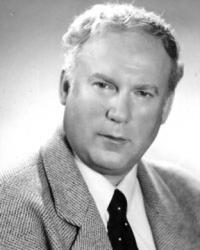
Charles Boycott
 Great Britain
- Charles Cunningham Boycott: The Origin of a Term
- Estate Management and Conflict
- The "Boycott": Ostracism and Resistance
- Attempt to Break the Boycott
- Legacy and Impact
Charles Cunningham Boycott: The Origin of a Term
Early Life and EmigrationCharles Cunningham Boycott (1832-1897) was born in England and served as an officer in the British Army. Resigning his commission, he relocated to Ireland, then part of the United Kingdom, in the 1850s.
Estate Management and Conflict
Boycott became the estate manager for an absentee English landlord. His demanding nature led to friction with the Irish tenants. In 1880, amidst widespread hunger and poverty, the Irish Land League leader Charles Parnell urged the tenants under Boycott's management to demand higher wages. Boycott refused and dismissed those who protested.
The "Boycott": Ostracism and Resistance
Parnell responded by organizing a campaign of ostracism against Boycott. His neighbors refused to speak to him, local shops denied him service, and mail delivery was withheld. The term "boycott" was coined by a local priest, Father John Doherty, who suggested it as an alternative to the politically charged term "ostracism."
Attempt to Break the Boycott
Despite the boycott, Boycott remained defiant, hiring Protestant strikebreakers from a neighboring county. However, the boycott persisted, protected by over 1,000 government-paid policemen. The protest proved too strong, and Boycott eventually abandoned his estate in 1886.
Legacy and Impact
The "Boycott" became a symbol of Irish resistance against British oppression. The term quickly spread to other European languages, becoming a household word for nonviolent direct action. Boycott himself died in England in 1897, but his name lives on as a testament to the power of collective action.