Charles Davenant
 Great Britain
Biography of Charles Davenant
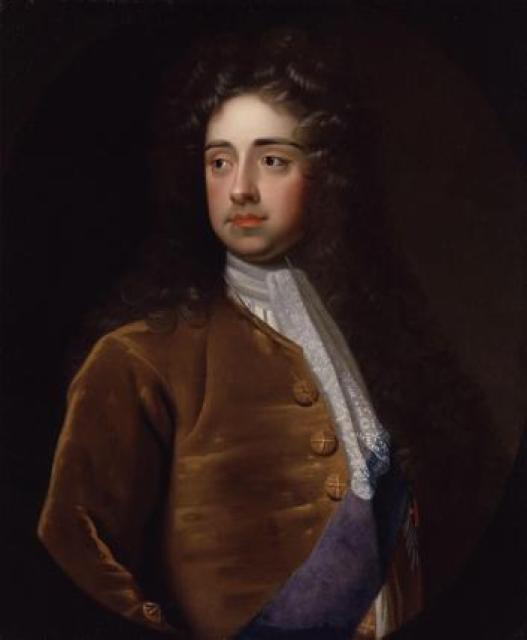
Charles Davenant was an English economist and member of the British Parliament. He was listed as one of the "100 Great Economists Before Keynes" by M. Blaug.
Early Life
Charles Davenant was born in 1656 in London. He was the son of the famous poet and playwright Sir William Davenant. Despite his father's sympathies towards the royalists, he managed to survive the political upheavals of the English Civil War and Cromwell's Protectorate. In 1660, Charles witnessed the restoration of monarchy in England when Charles II ascended the throne. However, his father passed away in 1668.
Education and Career
Charles completed his schooling in 1673 and took charge of his father's theater. In 1675, he earned a Doctor of Laws degree from Cambridge University and became a member of the society of lawyers known as Doctor's Commons. He started practicing civil law and in 1678, he joined the British government's customs and excise department, earning around 500 pounds per year. By 1683, his income increased to 1000 pounds and two years later, Charles was elected to Parliament for St Ives.
However, due to the revolution of 1688 and the flight of James II to France, William of Orange was proclaimed the new leader by Parliament. As a result, Charles lost his position in the customs and excise department in 1689. In 1692, he attempted to become an inspector of excise collections, but failed. He made another attempt in 1694, but again faced setbacks, possibly due to objections from the Chancellor of the Exchequer, Charles Montagu.
Economic Works
In late 1694, Davenant published "An Essay on the Ways and Means of supplying the War," criticizing the detrimental impact of long-term borrowing and unfair land taxes on trade. In November 1695, he argued against the proposal to devalue the pound on behalf of the Lords Judges. In 1696, Charles published "An Essay on Publick Virtue," a scathing critique of the ruling Whig party and a defense of his friends in the government. He also published "Essay on the East India Trade," which argued for the benefits of trade with East India and refuted protectionist arguments.
In 1697, Davenant presented "Discourses on the Publick Revenues and on the Trade of England" (Part 1), where he raised serious objections to long-term borrowing as a means of financing government expenditure. He advocated for the quick repayment of war debt, as high taxes to service the debt burdened trade, industry, and land.
In 1698, he published "Discourses on the Publick Revenues and on the Trade of England" (Part 2), which described the idea of a "general" trade balance in a more coherent and understandable form. In the same year, Davenant returned to Parliament as a representative for Great Bedwyn, aligning himself with the Conservative Tory party, which held the majority in Parliament at the time. In 1701, he wrote an essay criticizing the Tory party's attack on William III's foreign policy.
Later Life and Legacy
In 1702, Queen Anne ascended the throne, and Davenant's friends, Godolphin, Nottingham, and Harley, gained power in the coalition ministry. He was appointed as the secretary of the commission for negotiating the union between Scotland and England in September 1702. In July 1703, he became the Director General of Imports and Exports. His publication "Essays upon Peace at Home and War Abroad" in November 1703 contributed to the improvement of anti-party relations between the queen and Harley. However, it also angered his Tory friends as he found himself in opposition to their policies, having previously been a leading propagandist for the Conservatives.
In 1710, Godolphin lost his position, which put Davenant's role as Director General of Imports and Exports at risk. To appease the Tories, he wrote a new essay on the current state of affairs, sensing that the party would regain its position in Parliament. He also claimed that while Britain bore the burden of war, the Dutch were benefiting from trading with France.
In 1712, Davenant published two reports on public accounts, providing a significant amount of statistical data and reinforcing the idea that trade with France could be advantageous for England. These ideas aligned with the arguments presented in Jonathan Swift's pamphlet "Conduct of the Allies" and helped lay the economic foundation for a trade agreement with France.
Charles Davenant passed away in 1714. According to the historian of economic thought Mark Blaug, Davenant was included in the list of "100 Great Economists Before Keynes."