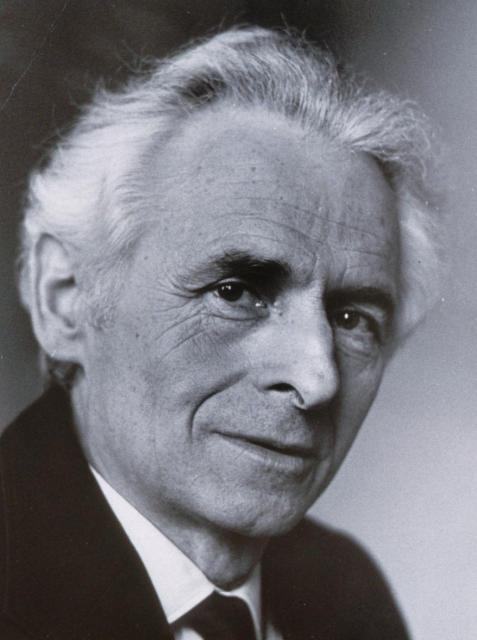
Claude Vigee
 France
- Claude Vigée: The Early Years
- The Resistance
- To the United States
- Return to France and Israel
- Later Years and Legacy
- Honors and Recognition
Claude Vigée: The Early Years
Claude Vigée was born into an Ashkenazi Jewish family in Alsace, France. He grew up speaking the Jewish-Alsatian dialect and attended the University of Strasbourg in 1937. However, his studies were interrupted by the war, forcing his family to relocate to Toulouse.
The Resistance
During World War II, Vigée joined the Jewish Resistance, becoming part of the underground group Bnei-David. Amidst escalating antisemitism and police persecutions, he adopted the pseudonym Vie, meaning "I am alive" in French.
To the United States
In 1943, Vigée and his mother fled to the United States through Portugal. He worked odd jobs, including as a waiter, while completing his PhD in literature from Ohio State University in 1947. He married and taught literature at various American universities.
Return to France and Israel
Vigée returned to France in 1959, settling in Paris. With Gerhom Scholem's support, he moved to Israel in 1960, where he resided until 2000 and taught literature at the Hebrew University of Jerusalem until 1983.
Later Years and Legacy
In 2001, Vigée returned to France. He was a renowned author of metaphysical poetry and essays exploring Jewish heritage and the spiritual quests of 20th-century literature. He also translated the works of Rilke, T.S. Eliot, and Yves Goll. Vigée's writings have been translated into English and German and have earned him numerous awards.
Honors and Recognition
Among his accolades are the Prix Fémina for literary criticism (1979), the Grand Poetry Prize of the Société des Gens de Lettres de France (1987), and the Prix de la Fondation Juive Française (1994). In 2000, the Claude Vigée Cultural Center was established in his hometown.


