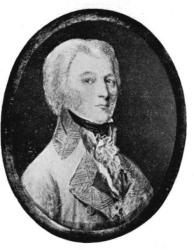
Colin Kempbell
 Great Britain
- Early Life and Career
- Combat Experience and Ascendancy
- The Sikh Wars
- Defeat of the Sikhs and the Crimean War
- Indian Rebellion and Victories
- Return Home and Legacy
Early Life and Career
Born in Glasgow, Scotland, Colin Campbell pursued a military education at the Royal Military College in Gosport. Eager to advance his career, he sought opportunities to engage in combat.
Combat Experience and Ascendancy
Campbell fought in the North American War and narrowly escaped death at the Battle of New Orleans in 1814. In 1823, he participated in the suppression of a rebellion in British Guiana. Promoted to lieutenant colonel in 1835, he commanded an infantry regiment.
In 1841, Campbell deployed to China during the Opium Wars. He later served in the colonial forces in India, which would soon become the jewel of the British crown.
The Sikh Wars
Campbell's reputation soared during the Anglo-Sikh Wars. British forces faced fierce resistance from the Sikh army on their soil. The First Anglo-Sikh War, ending in 1846, provided limited victories. Subsequent battles, such as Sobraon and Ferozeshah, resulted in heavy British losses.
During the Second Anglo-Sikh War in 1848, Campbell distinguished himself. He commanded a brigade at the Battle of Suddasain and led a division of the Punjab army at the Battle of Chillianwalah.
Defeat of the Sikhs and the Crimean War
The final battle of the Second Anglo-Sikh War occurred at Gujerat in 1849. Campbell played a pivotal role in the decisive defeat of the Sikh army, which ultimately led to the dissolution of the Sikh state.
Campbell's combat prowess continued in the Crimean War of 1853-1856, where he commanded a brigade of Highland infantry.
Indian Rebellion and Victories
Returning to India, Campbell confronted the Sepoy Rebellion of 1857. As commander of British forces, he suppressed the uprising through a series of strategic victories. His cautious and well-planned campaigns earned him the nicknames "Sir Crawling Camel" and "Old Flapdoodle."
By 1859, Campbell had established British control over much of North and Central India. He subsequently implemented reforms and administrative measures.
Return Home and Legacy
Triumphant in putting down the rebellion, Campbell returned to Britain in 1860, receiving widespread recognition. Promoted to field marshal two years later, he entered the aristocracy as Lord Clyde.
Campbell's contributions are hailed by British historians, who credit him with shaping the future British army by promoting officers based on merit rather than lineage.