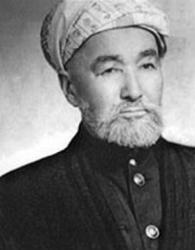
Constantin Brancoveanu
 Turkey
- Early Life and Ancestry
- Accession to the Throne
- Architectural Patronage and Enlightenment
- Foreign Relations and Internal Conflicts
- Political Maneuvers and Pro-Russian Stance
- Downfall and Martyrdom
- Legacy and Sainthood
Early Life and Ancestry
Constantin Brâncoveanu was born into the illustrious Craiovești family as the son of Prince Matei Brâncoveanu (Basarab) and Stanza Cantacuzino. His maternal uncle was Șerban Cantacuzino, the reigning Wallachian prince. Brâncoveanu married Marica, the daughter of Prince Antonie Popești, in 1669.
Accession to the Throne
After the death of his uncle Șerban Cantacuzino in October 1688, Brâncoveanu ascended to the Wallachian throne with the support of the Cantacuzino family. He established Bucharest as the new capital, replacing Târgoviște.
Architectural Patronage and Enlightenment
Brâncoveanu embarked on an extensive building program, constructing the iconic Mogoșoaia Palace and several monasteries, including the renowned Horezu Monastery. These architectural masterpieces exhibit the distinctive "Brâncoveanu style." He also founded four printing presses and schools, promoting education and literacy among his subjects.
Foreign Relations and Internal Conflicts
Brâncoveanu navigated a delicate balance between the Ottoman Empire, the Habsburgs, and the rising power of Russia. Initially, he did not support the Transylvanian prince Francis II Rákóczi's rebellion against the Habsburgs, but later shifted his allegiance to the Transylvanian insurgents. He maintained good relations with Constantin Duca, the Prince of Moldavia, who married his daughter Maria. However, his relations with Constantin Cantemir and his sons were fraught with tension.
Political Maneuvers and Pro-Russian Stance
In 1703, Brâncoveanu's conflicts with the powerful Cantacuzino family escalated. He also established secret contacts with Peter the Great of Russia and received the Order of St. Andrew the First-Called for his pro-Russian sympathies. However, during the Prut Campaign, he adopted a more cautious stance due to his strained relations with Prince Dimitrie Cantemir of Moldavia.
Downfall and Martyrdom
In March 1714, Ottoman Sultan Ahmed III deposed Brâncoveanu and summoned him to Istanbul. There, he was subjected to torture and executed along with his sons, whose heads were paraded through the streets of the Turkish capital. Brâncoveanu's refusal to convert to Islam is believed to have been a contributing factor to his downfall.
Legacy and Sainthood
Brâncoveanu's reign is remembered for its cultural achievements and his dedication to the Wallachian people. The Romanian Orthodox Church canonized him as a saint in 1992, and the Russian Orthodox Church added him to its calendar of saints in 2018. His legacy continues to inspire Romanians and Orthodox Christians worldwide.