Dan Reed
 USA
- From Cambridge to documentary television
- Leaving Neverland and a global debate
- Documenting disinformation and accountability
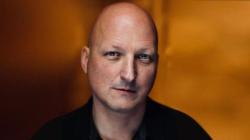
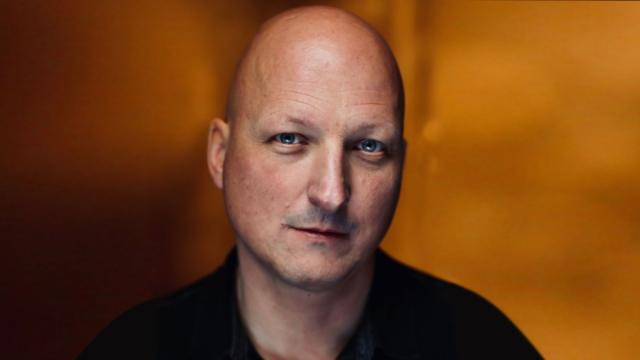
Dan Reed is a British documentary filmmaker whose work takes him into places and stories marked by conflict, violence, and sharply contested accounts of truth. As a director, producer, writer, and cinematographer, he has made films about war, terrorist attacks, organized crime, sexual abuse allegations, and conspiracy culture. His projects are often built around extended interviews and close access to the people at the center of an event, an approach that has brought both major awards and intense public debate.
From Cambridge to documentary television
Born in the United Kingdom in December 1964, Reed studied Russian at the University of Cambridge. He began his television career at the BBC, working as an assistant producer with documentary filmmaker Adam Curtis. The experience placed him in a tradition of ambitious factual storytelling, but Reed soon developed a more direct, on-the-ground style, often filming people and events in dangerous settings.
His early film The Valley followed the Kosovo conflict and helped establish his reputation for reporting from areas where political events were unfolding in real time. He later directed Terror in Moscow, which examined the 2002 hostage crisis at the Dubrovka Theatre, and Terror in Mumbai, a reconstruction of the 2008 attacks in India using interviews and extensive source material. Later projects explored the Charlie Hebdo attacks in Paris and the 2013 assault on Nairobi’s Westgate shopping mall. These films combined witness accounts, recorded footage, and a detailed chronology to show how attacks developed and how people responded.
Reed also made observational documentaries about life outside the world of conflict reporting. The Paedophile Hunter followed British vigilante Stinson Hunter and the group’s attempts to identify men they believed were seeking sexual contact with minors. The film won a BAFTA for factual directing, though its confrontational subject matter also raised questions about vigilantism and the boundary between public exposure and law enforcement. Reed has additionally worked in television drama and feature filmmaking, including the crime film Shooters and thriller Straightheads.
Leaving Neverland and a global debate
Reed reached a much larger international audience with Leaving Neverland, a two-part documentary released in 2019. The film centers on the separate accounts of Wade Robson and James Safechuck, who alleged that Michael Jackson sexually abused them when they were children. Jackson’s estate denied the allegations, and the film’s methods and claims prompted strong responses from supporters of the singer and from critics who questioned its approach. Reed said he set out to give the men and their families space to describe their experiences. The documentary won an Emmy as an outstanding documentary or nonfiction special, while Reed was also nominated for directing.
The film brought Reed a new level of recognition and scrutiny. He faced public criticism and hostility from people who rejected the allegations, while the documentary itself became a focal point in broader arguments about how film should handle abuse claims, memory, evidence, and the presumption of innocence. Reed returned to the subject in Leaving Neverland 2: Surviving Michael Jackson, released in 2025, which revisited the two men’s stories and the response to the original film.
Documenting disinformation and accountability
After Leaving Neverland, Reed turned to another story about the consequences of public narratives. The Truth vs. Alex Jones follows the defamation cases brought by families of children killed in the Sandy Hook school shooting against conspiracy broadcaster Alex Jones, who had claimed the massacre was a hoax. The film observes the courtroom process and the families’ efforts to secure accountability. It won the 2024 Peabody Award for its examination of the spread and impact of disinformation.
Reed’s documentary career is marked by an interest in how people experience extreme events and how institutions respond to them. His films have been praised for access and close attention to testimony, and they have also drawn debate over the ethics of filming, editing, and presenting contested claims. Across subjects as different as terrorist attacks, alleged abuse, and conspiracy theories, he has continued to make documentaries that place the human consequences of public events at the center of the frame.