Ditrih Bonhoffer
 Germany
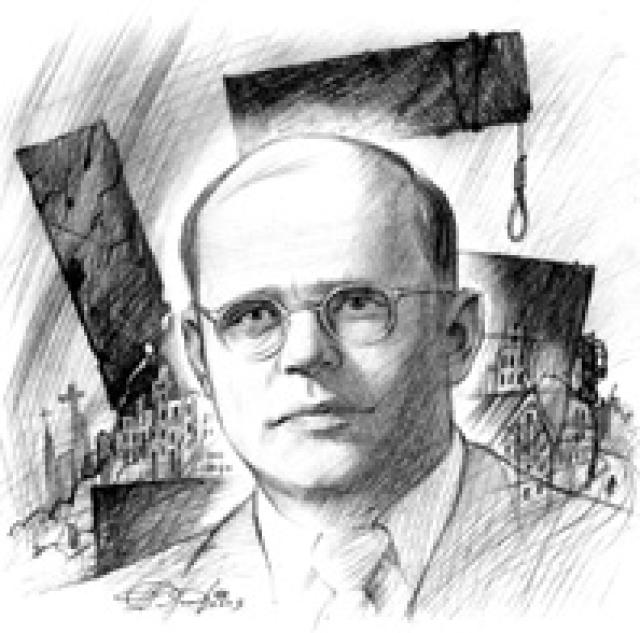
Biography of Dietrich Bonhoeffer
Dietrich Bonhoeffer was a German Protestant theologian who lived in the early 20th century. Born on February 4, 1906, in Breslau (now Wrocław), his father was a neurologist and his mother came from a family of prominent German artists. Bonhoeffer was the sixth of eight children and had a close relationship with his family, particularly his father.
In his early years, Bonhoeffer chose the path of religious service and studied theology in Tübingen, Rome, and Berlin. He completed his dissertation and worked as a pastor in Barcelona, New York City, and Rome before settling with his family in Berlin. He also taught at the university and published several books.
However, everything changed with the rise of the Nazi regime. The Nazis had their own stance on Christianity and sought to manipulate it for their own purposes, combining it with mysticism and occultism. Pro-Nazi movements such as the "German Christians" emerged within the Protestant community. In opposition to them, Bonhoeffer helped establish the "Confessing Church," which resisted the Nazi regime and its control over the church.
In 1936, Bonhoeffer was banned from teaching and dismissed from the university. He then became involved in active resistance against the Nazis, participating in various forms of underground activities such as preaching, seminars, and conversations. He also engaged in political discussions and wrote letters expressing his opposition to the Nazi regime.
In 1942, Bonhoeffer was arrested along with other members of the resistance, including Claus von Stauffenberg, who attempted to assassinate Hitler. Despite being interrogated and imprisoned, Bonhoeffer maintained his intellectual honesty and integrity. His letters from prison, published after the war, demonstrate his unwavering faith and profound insights.
Bonhoeffer's involvement in the resistance against the Nazis was rooted in his deep Christian beliefs. He believed that true Christians should stand up against the anti-Christian policies of the regime and work towards its overthrow from within. Although the resistance ultimately failed, Bonhoeffer's courage and commitment to his faith remain an inspiration to this day.
On April 9, 1945, only weeks before the end of World War II, Bonhoeffer was executed at Flossenbürg concentration camp alongside other members of the resistance. His untimely death was a tremendous loss to the world. However, his legacy lives on, and he is considered one of the most influential figures in Christian thought of the 20th century.
Bonhoeffer's writings continue to inspire and challenge individuals to confront the moral and ethical dilemmas of their time. His profound understanding of faith, the human condition, and the role of the church in society make him a timeless figure whose influence extends far beyond his own era.