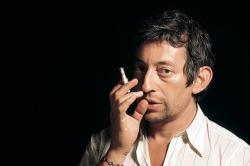
Domenico Modugno
 Italy
Italy- Introduction
- Early Life and Education
- Rise to Fame
- Breakthrough
- Continued Success
- Later Years and Political Career
- Legacy and Death
Introduction
Domenico Modugno was an Italian singer, composer, actor, and social activist. He gained international fame in 1958 with his song "Nel Blu Di Blu Dipinto (Volare)" at the Eurovision Song Contest. Modugno is considered the first Italian cantautore or singer-songwriter. He was born on January 9, 1928, in Polignano a Mare, a commune in the province of Bari, Italy.

Early Life and Education
Modugno's family moved to San Pietro Vernotico in the province of Brindisi when he was just seven years old. He attended elementary school there and learned the local dialect, which was close to Sicilian. He later went to middle school in the neighboring city of Lecce. From a young age, Modugno aspired to become an actor.

Rise to Fame
After returning from military service in 1951, Modugno enrolled in a theater school. During his studies, he landed his first role in the film adaptation of Eduardo De Filippo's play "Filumena Marturano" and appeared in several other films. In 1957, his song "Lazzarella" performed by Aurelio Fierro placed second at the Festival della Canzone Napoletana, marking Modugno's first taste of popularity.
Breakthrough
In 1958, Modugno participated in Antonio Aniante's play "La Rosa di Zolfo" at the Festival della Prosa in Venice. However, it was his participation in the Sanremo Music Festival later that year that proved to be a turning point in his career. Alongside Johnny Dorelli, he performed the song "Nel Blu Di Blu Dipinto," which became the winning entry and achieved tremendous success worldwide, including in the United States. Modugno received two Grammy Awards, sold over 22 million copies of the single, and represented Italy at the Eurovision Song Contest, where he placed third.
Continued Success
In the following years, Modugno won the Sanremo Music Festival for the second time with the song "Piove" (also known as "Ciao, ciao bambina") in 1959 and took second place with "Libero" in 1960. He continued to release successful songs and albums, with his song "Io" (Ask Me) being covered by Elvis Presley. Modugno won the Sanremo Music Festival for the third time in 1962 with "Addio..., addio...," and represented Italy at Eurovision again in 1966 with "Dio, come ti amo." His popularity extended to the English-speaking world, with Jack Jones recording an English version of his song "Dio, come ti amo" titled "Oh How Much I Love You" on his 1967 album "Our Song."
Later Years and Political Career
During the 1970s, Modugno transitioned from popular music to more classical genres while continuing to perform and act in films. He also became involved in politics and joined the Italian Radical Party. In 1986, he was elected to the Italian Parliament. Modugno actively worked on social issues, particularly in improving the conditions of psychiatric patients at the Agrigento psychiatric hospital.
Legacy and Death
Domenico Modugno passed away on August 6, 1994, from a heart attack at his seaside home in Lampedusa, Italy. He left behind a lasting legacy in the Italian music industry and beyond. His son, Massimo Modugno, followed in his father's footsteps and became a successful singer.