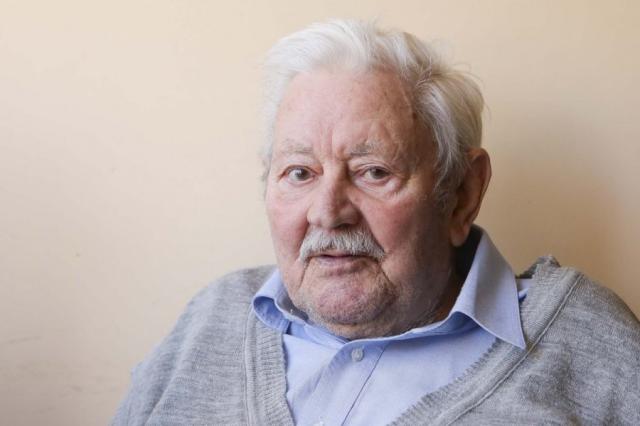
Donatas Banionis
 Lithuania
Biography of Donatas Banionis
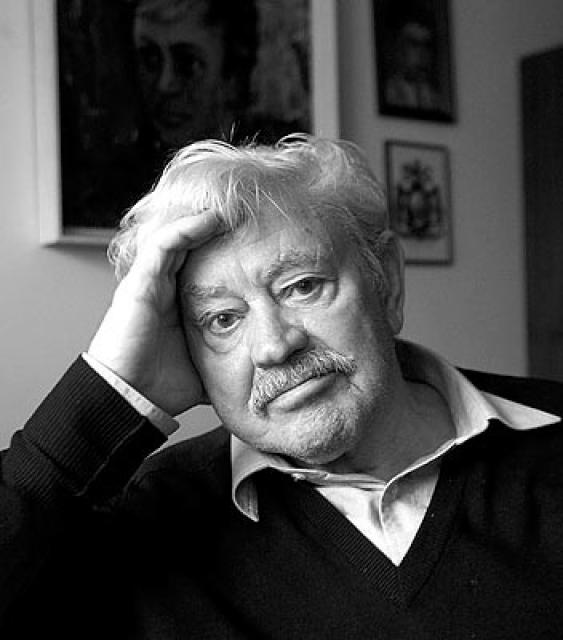
Donatas Banionis was a Soviet Lithuanian actor and theater director, widely regarded as one of the most famous actors of his time. Each role played by Banionis remains etched in the memory of the audience. On screen, the People's Artist of the USSR transformed himself beyond recognition, portraying lively, unique, and incredibly emotional characters.
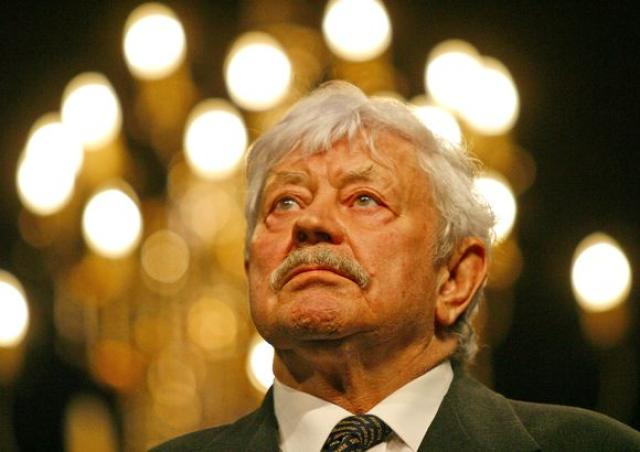
Early Life
Donatas Banionis was born on April 28, 1924, in Kaunas, Lithuania. His father, Juozas Banionis, was also born in Lithuania and had worked as a tailor before joining the Russian Imperial Army Cadet Corps and serving in World War I. Juozas became involved in revolutionary communist activities and was arrested in 1919 for organizing a strike against the government. After his release from exile, he returned to Lithuania and continued working as a tailor. During the Soviet era, he secured a position in the administration in Vilkaviskis. It was in Vilkaviskis that Juozas met Ona Blazaityte, who would later become his wife and the mother of their two children, Danute and Donatas Banionis. However, their marriage eventually ended, and Ona and Danute moved away from Kaunas, leaving Donatas to live with his father.
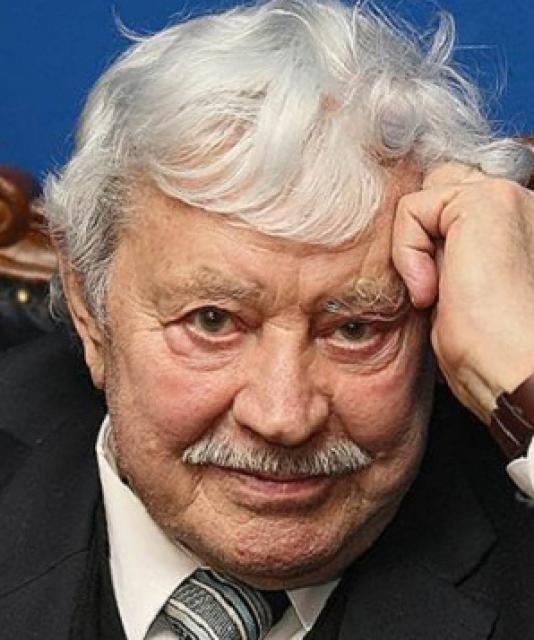
Early Career
Donatas Banionis grew up surrounded by an atmosphere of creativity and music. His parents had a strong affinity for the arts and even sang. While studying to become a ceramist at a school in Kaunas, Banionis also attended a drama club. Although his parents understood and supported his artistic pursuits, they insisted on him pursuing a different profession. Despite their financial limitations, Banionis never gave up on his dreams of becoming an actor and being closer to the world of cinema. In 1940, a community theater group led by director Juozas Multinis transformed into a professional theater, which settled in Panevezys. Banionis joined the troupe in 1941, studying at the city theater and playing numerous roles in plays by Nikolai Gogol, Anton Chekhov, Nikolay Ostrovsky, and Pierre Beaumarchais.
Film Career
Donatas Banionis made his film debut in 1959, playing the role of Daus in the film "Adam Wants to Be a Man." In the 1960s, news that actors from the Panevezys Theater were starting to appear in films created excitement in the film industry. Banionis found filming more challenging than theater performances. In an interview, he confessed that he felt like a film actor, embodying a fourth character. Nevertheless, some of the characters he portrayed became well-known thanks to his acting talent.
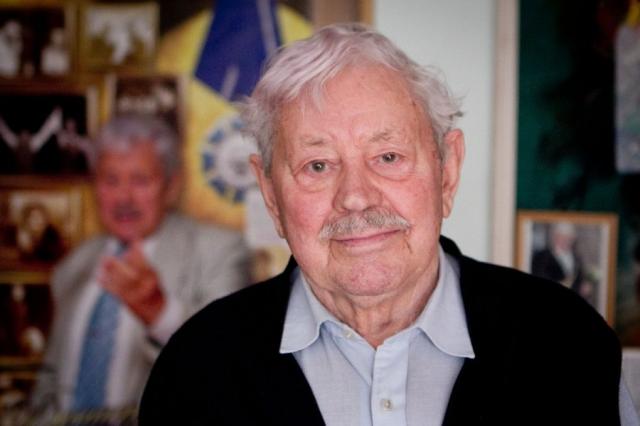
In 1965, the Lithuanian Film Studio released the film "Nobody Wanted to Die," in which Banionis appeared as Vaiktus. This role is considered one of the highlights of his filmography. The film, based on the story of the "Forest Brothers," gained popularity in Lithuania and the Soviet Union, bringing fame to director Vytautas Zalakevicius. In 1968, after the premiere of "Nobody Wanted to Die," a black and white detective film called "Dead Season" was released. It consisted of two parts and was the first of its kind for the Soviet Lenfilm studio.

In 1972, Banionis played the role of Kris Kelvin in Andrei Tarkovsky's drama film "Solaris," based on the novel by Stanislaw Lem. Tarkovsky emphasized the moral aspects as the foundation of the film and aimed to provide intellectual nourishment for the audience. "Solaris" received the Grand Prix at one of the Cannes Film Festivals.
Throughout his career, Banionis appeared in over fifty films. He portrayed tragedy, comedy, and adhered to strict classical roles. In 1978, he played Chinkov in the film "Territory." In 1980, Banionis became the chief director of the theater in Panevezys and held that position for eight years. His last film, "The Yard," was released in 1999. Despite his busy filming schedule, Banionis remained actively involved in theater productions and took on the responsibilities of a director after being appointed to the role.
Personal Life and Death
Donatas Banionis married actress Ona Konkuleviciute, who was also a member of the Panevezys Theater. They had two children together. Their son, Ogidijus, did not follow in his father's footsteps but achieved success in humanities and history. Unfortunately, he passed away at a young age, and posthumously received recognition for his achievements in the field of science.
Their other son, Raimundas, graduated from the All-Union State Institute of Cinematography and became the creator of the LINTEK film company. He directs documentaries and commercials.
Donatas Banionis lived a long life, in a strong marriage with a beloved career. His biography did not include any significant crises. Banionis' hard work and constant pursuit of knowledge contributed to the development of a strong and talented individual.
On September 4, 2014, Banionis passed away at the age of 90 after suffering a heart attack. His weak heart had previously caused a clinical death during the summer, but he was fortunately revived. Banionis' death was mourned by his family, numerous fans, and the President of Lithuania. Dalia Grybauskaite stated that the loss of the great actor was irreplaceable for the country, as he had brought fame to Lithuania in the world of cinema.
Filmography
- 1959 - "Adam Wants to Be a Man"
- 1963 - "The Chronicle of One Day"
- 1965 - "Nobody Wanted to Die"
- 1968 - "Dead Season"
- 1970 - "King Lear"
- 1971 - "Red Diplomat"
- 1972 - "Solaris"
- 1972 - "Captain Jack"
- 1973 - "The Discovery"
- 1978 - "Territory"
- 1980 - "Fact"
- 1985 - "The Dolphin's Cry"
- 1992 - "Without Evidence"