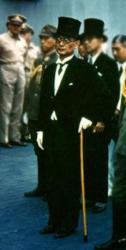
Ekaterina Furceva
 Russia
Biography of Ekaterina Furtsava
Ekaterina Alekseevna Furtsava, a member of the Politburo of the Central Committee of the Communist Party of the Soviet Union and the Minister of Culture of the USSR, was born on December 7, 1910, in a village near Vyshniy Volochok. Her mother, Matrena Nikolaevna, worked at a textile factory, while her father died during World War I.

At the age of fifteen, Ekaterina joined the textile factory where her mother worked after completing her seven-year education. However, her destiny had something else in store for her. She joined the Communist Party at the age of twenty and was soon sent to Kursk Oblast to revitalize agriculture. However, her stay there was short-lived as she was redirected to work with the Komsomol in Feodosiya.

Ekaterina could have settled in the South, enjoying the sun and finding a husband. However, something prevented her from fully focusing on her personal life. Perhaps it was her commitment to the Komsomol or her passion for sports. She was an excellent swimmer and knew how to navigate through difficult situations. Her dedication and talent were noticed, and she was called to work for the Komsomol in Leningrad, the capital of October, at the Higher Civil Aviation Courses.

In Leningrad, Ekaterina fell in love with a pilot named Petr Ivanovich Petkov. Pilots were considered almost mythical figures at that time, and marrying a pilot was seen as being in line with the times. However, their relationship did not last, and Petr Ivanovich revealed that he had been living with another woman. This disappointment marked the beginning of a series of disappointments in Ekaterina's personal life.
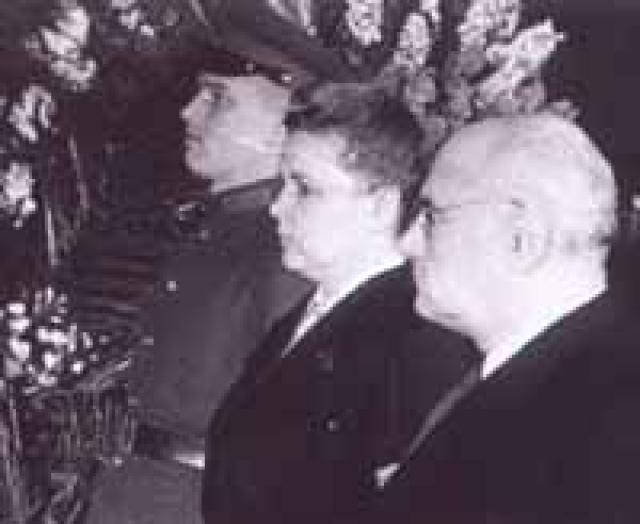
Despite these setbacks, Ekaterina continued her education and joined the Moscow Institute of Fine Chemical Technology. Her passion for science and the Komsomol work led her to become the head of the Komsomol unit at the institute.
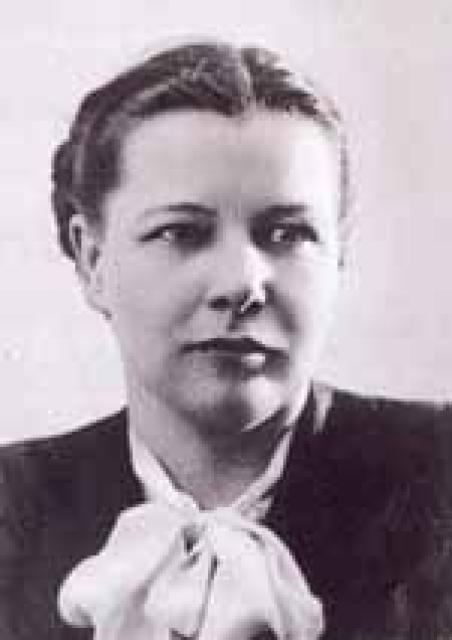
During the war, Ekaterina's husband was mobilized, leaving her alone with their daughter, Svetlana. She played an active role in defending Moscow from bombings and even extinguished incendiary bombs on the rooftops. In May 1942, Svetlana was born, but just four months later, her husband returned and announced that he had been living with another woman. This led Ekaterina into a period of uncertainty, not knowing where to turn. However, she was offered a position at the institute's graduate school and was eventually elected as the Party Organizer.
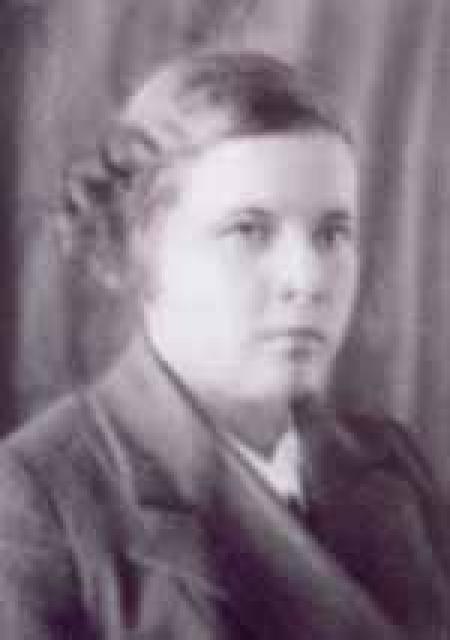
Ekaterina's rise in the Communist Party ranks was meteoric. She caught the attention of Nikita Khrushchev, who was impressed by her ability to speak without notes during meetings and her willingness to admit and repent for her mistakes. In 1949, she had an audience with Joseph Stalin and left a positive impression on him. This encounter led to her appointment as the first secretary of the Moscow City Committee of the Party.
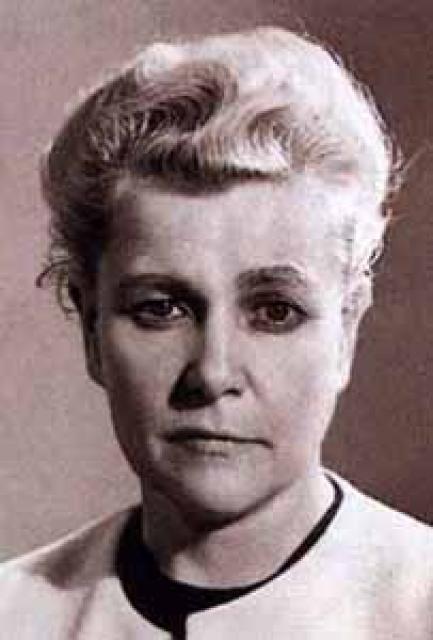
During this time, Ekaterina developed a close relationship with Nikolai Pavlovich Firyubin, a professional diplomat and one of her subordinates. They had a secret affair, which caused a lot of gossip within the Party. After five years, Nikolai divorced his wife, and they got married. However, Ekaterina soon realized that she had made a mistake, but it was too late to change anything.
In 1960, Ekaterina expressed her dissatisfaction with Khrushchev in a private conversation that was overheard and reported to him. As a result, she was removed from her position as secretary and faced a period of isolation. Khrushchev dismissed her concerns about her mental health, claiming it was just menopause. This dismissal marked the end of their relationship, and Ekaterina retreated into herself.
In 1961, Ekaterina was appointed as the Minister of Culture. However, her removal from power had left a lasting impact on her reputation, and she faced many challenges in her new role. Despite this, she continued to work diligently and tried to implement positive changes in cultural policies.
Ekaterina Furtsava's life was marked by her dedication to the Communist Party and her rise to influential positions within the Soviet government. Her story highlights the struggles and sacrifices she made as a woman in a male-dominated political environment. Despite facing numerous challenges and disappointments, she remained steadfast in her ideals and played a significant role in shaping Soviet culture.