Elio Fiorucci
 Italy
ItalyBiography of Elio Fiorucci
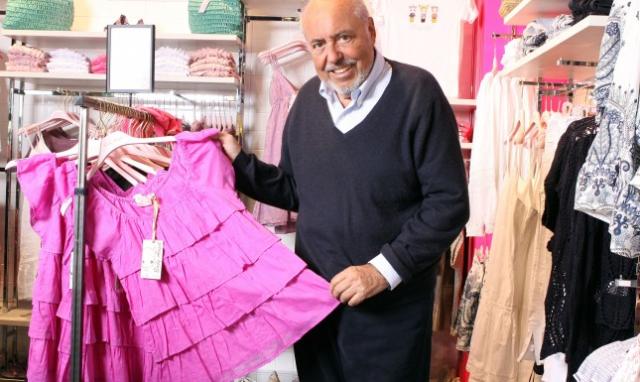
Elio Fiorucci, an Italian designer, founded the Italian fashion label 'Fiorucci' in 1967. His first store showcased clothing inspired by the 'Swinging London' style and American classics, including t-shirts and jeans. In the late 1970s and early 1980s, he shifted gears and the Fiorucci store in New York became a haven for fashion enthusiasts, spreading its fame throughout the United States. Known as the 'daytime Studio 54', the brand attracted many celebrities, from Andy Warhol to a young Madonna. As a leader in globalizing fashion, Fiorucci traveled the world, seeking the best from underground brands to showcase to the mass market, including Brazilian thongs and coats made of Afghan karakul. The label popularized camouflage prints and leopard skin prints until stretch jeans were invented. One of the brand's iconic advertisements featured a woman in tight jeans with enticing buttocks, while another featured her with fluffy pink handcuffs. The company's logo featured two cool angels inspired by Raphael's cherubs. However, poor management led to bankruptcy in 1989, and since then, the brand has been mired in trademark disputes. The company later revived but never regained its former influence.
Early Life and Career
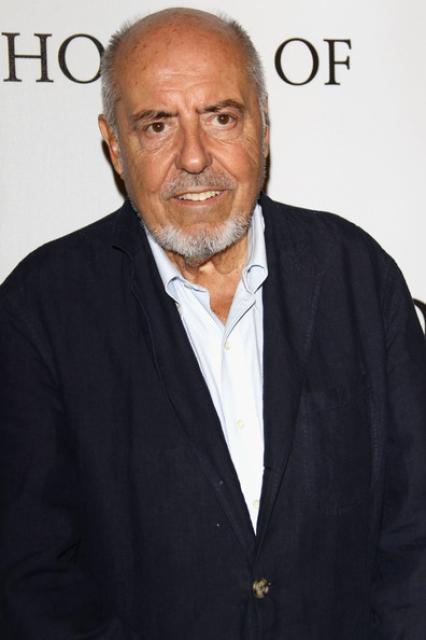
Elio Fiorucci was born on June 10, 1935. He was the son of a shoe store owner. One day in 1962, while working in his father's store, Elio had the idea to create colorful rubber boots. When the vibrant footwear appeared in a local fashion magazine, it caused a sensation. After a trip to London in 1965, where he was inspired by the fashion on Carnaby Street, the epicenter of 'Swinging London', Elio was determined to bring that fashion to Milan. He opened his first Milanese store on May 31, 1967, introducing customers to the designs of London-based designers such as Ossie Clark and Zandra Rhodes. In 1968, Elio sought inspiration in the East, purchasing cheap t-shirts in India and transforming rice bags into fashionable garments. Two years later, his company built its own manufacturing factory and adopted the 'two angels' logo created by the studio 'Italo Lupi'. In 1974, the company opened a huge new store on Via Torino in Milan, offering more than just clothing – books, furniture, and music-related items were also sold. The store featured a restaurant and a vintage clothing market. The label introduced monokinis and thongs from Brazil, sparking controversy due to advertisements featuring topless women. Glass beads from New Mexico also became a hit. In 1975, the company opened its first overseas store on Kings Road in London and launched a children's collection called 'Fioruccino'. Afghan karakul coats gained popularity in the mass market, and leopard print became a fashion trend, pioneered by Elsa Schiaparelli two decades earlier. In 1976, another store opened near the iconic American department store 'Bloomingdale' on East 59th Street in New York, showcasing American disco-era fashion brands. Among Fiorucci's star-studded clientele were Marc Jacobs, Cher, Lauren Bacall, Terence Conran, and Jackie Onassis. Transvestite Joseph Arias, author Douglas Coupland, and Gloria Vanderbilt, who was in search of jeans, also visited the store. In the early 1980s, the art director of Fiorucci was the jewelry designer Maripol, known for creating Madonna's image at the time. Other notable employees included Madonna's brother Christopher Ciccone, Terry Jones from the British magazine 'i-D', Oliviero Toscani, who shot advertisements for the fashion brand 'Benetton', and renowned designer Jim Walrod. In May 1979, American artist Kenny Scharf held his first solo exhibition in the New York store, titled 'Fiorucci Celebrates the New Wave'. The opening featured avant-garde performer Klaus Nomi. Continuing to introduce new products to the market, the company presented Tyvek material produced by 'DuPont' and velvet slippers from China. In 1982, stretch jeans with Lycra were introduced, and in 1987, Fiorucci collaborated with Jean-Paul Gaultier on the 'Junior Gaultier' line. Despite successful sales, poor management led to the forced closure of the New York store in 1984. Fiorucci closed its remaining US retail locations in 1988 due to ongoing franchise disputes. The brand's fate was almost sealed with a sale to 'Akinouhi' company due to strategic disagreements. After a string of failures, the brand experienced a revival in Europe, regaining some prominence in 1995 with a denim advertisement featuring women's buttocks and fluffy pink handcuffs, which quickly became a bestseller. In 1999, Fiorucci successfully entered the perfume market and introduced the fragrance 'Fiorucci Loves You', followed by the perfume and cosmetics line 'Miss Fiorucci' in 2003. The brand expanded its reach throughout Asia, from Seoul to Tokyo and China. In March 2003, Elio Fiorucci announced the closure of his historic Milanese store on Corso Vittorio Emmanuele after 36 years of operation. Emerging almost 40 years ago, Fiorucci shook Italy, and the world, by bringing something new and unexpected, such as mixing clothing with cosmetics, vintage items, music products, and home goods. He even used his retail spaces for artist performances. Explaining the reason for closing the store, Fiorucci stated that he had 'fallen out of love' with fashion.