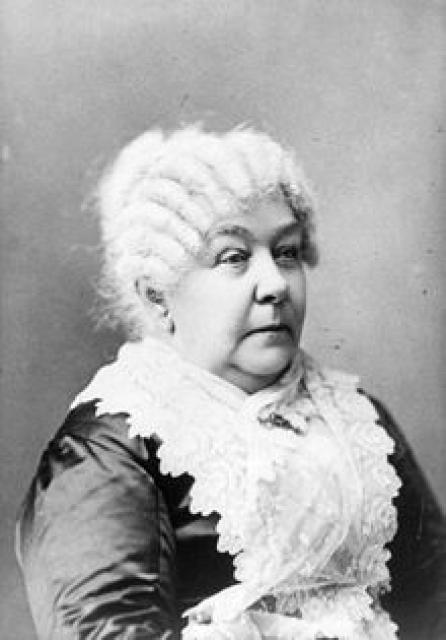
Elizabeth Cady Stanton
 USA
USAElizabeth Cady Stanton: A Leading Figure in the Women's Rights Movement
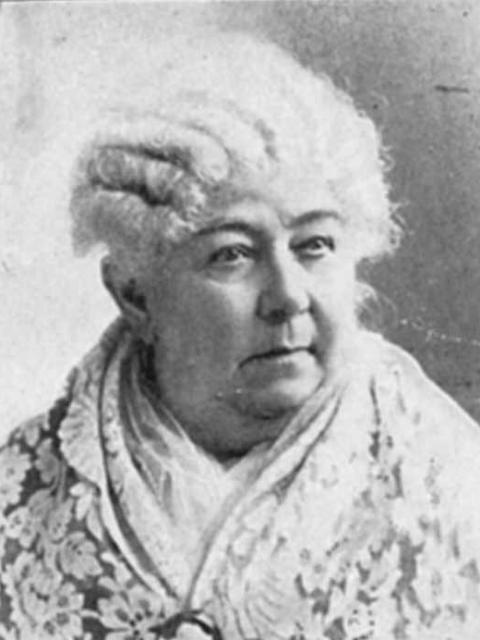
Elizabeth Cady Stanton was an American social reformer and abolitionist who played a prominent role in the emerging women's rights movement. She became the primary author of the Declaration of Sentiments, which was presented at the first women's convention held in Seneca Falls, New York in 1848. Many consider this declaration as the foundation of a powerful movement for women's rights, including the right to vote in the United States.
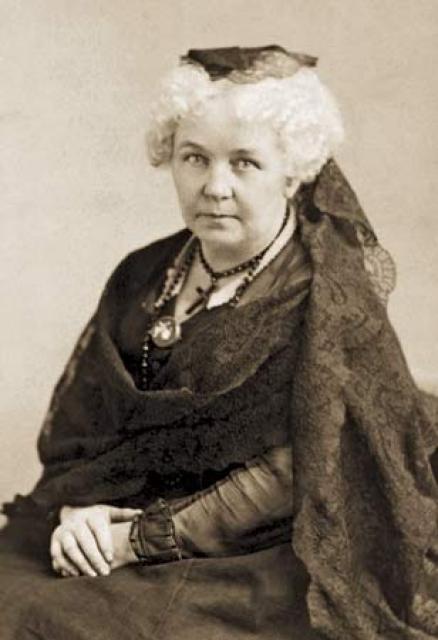
Early Life and Education
Elizabeth Cady Stanton was born on November 12, 1815, in Johnstown, New York. She was the eighth of eleven children born to Daniel Cady and Margaret Livingston Cady. Sadly, five of her siblings died at a young age, and her sixth sibling, Eleazar, passed away at the age of 20, shortly before Elizabeth graduated from Union College in Schenectady, New York. Elizabeth and her four sisters were the only ones to reach old age.
Her father, Daniel Cady, was a prominent lawyer who served one term in Congress and later became a judge in the New York Supreme Court in 1847. It was through her father that Elizabeth became acquainted with the law and realized the narrow scope of women's rights within it.
During her youth, Stanton studied her father's library. She received an education at Johnstown Academy, where she learned Latin, grammar, mathematics, natural sciences, religion, and more. She eagerly participated in intellectual competitions, often surpassing boys her age, and won several academic awards and honors.
Marrying Henry Brewster Stanton and Activism
Elizabeth married Henry Brewster Stanton, a journalist and later a lawyer, in 1840. Between 1842 and 1856, the couple had six children. Their seventh child was unplanned and was born in 1859 when Elizabeth was 44 years old. While the couple lived in Boston, Massachusetts, where Henry worked in a law firm, Stanton became acquainted with influential figures such as William Lloyd Garrison, Louisa May Alcott, Ralph Waldo Emerson, who greatly influenced her views.
Being solely a mother was not enough for Stanton. She desired intellectual engagement and even experienced depression until she fully immersed herself in public life in Seneca Falls, especially after co-organizing the first Women's Rights Convention in 1848. From that moment on, Elizabeth fought not only for women's suffrage but also for women's rights in all aspects of life.
Legacy and Death
Elizabeth Cady Stanton passed away from a heart attack in her home in New York on October 26, 1902. It took another 18 years for women in the United States to gain the right to vote.
Stanton's contributions to the women's rights movement and her unwavering dedication to gender equality continue to inspire activists today. Her work laid the foundation for future generations of women to fight for their rights, and she remains a pivotal figure in the history of women's suffrage in the United States.