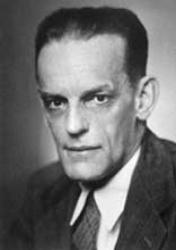
Emil Adolf Behring
 Germany
Biography of Emil Adolf von Behring
Emil Adolf von Behring was a German bacteriologist who was awarded the Nobel Prize in Physiology or Medicine in 1901 for his discovery of the protective properties of serums. He was born on March 15, 1854, in Hansdorf, Prussia.
Early Life and Education
Emil Adolf von Behring attended the University of Berlin and graduated in 1880. He then worked as a military surgeon before joining the laboratory of renowned German bacteriologist Robert Koch at the Institute of Infectious Diseases in Berlin in 1889.
Career and Contributions
In 1894, von Behring became a professor of hygiene at the University of Halle and in 1895, he established the Institute of Experimental Therapy in Marburg, where he served as its director. His main research focused on methods of immunization against infectious diseases in animals and humans.
One of von Behring's groundbreaking discoveries came in 1890 when he observed the phenomenon of immunity. He demonstrated that animals could be rendered immune to tetanus by injecting them with the blood serum of another animal that had already recovered from the disease. This paved the way for the understanding of acquired immunity as a result of the protective action of antitoxins produced during the course of an illness.
In addition, von Behring developed antitoxins for diphtheria and tetanus in 1890 and also developed a vaccine against bovine tuberculosis. His significant works include "The Practical Goals of Blood Serum Therapy" (1892), "General Therapy of Infectious Diseases" (1893), "Etiology and Therapeutic Treatment of Tetanus" (1904), and "Introduction to the Control of Infectious Diseases" (1912).
Death
Emil Adolf von Behring passed away in Marburg on March 31, 1917. His contributions to the field of bacteriology and immunology have left a lasting impact on medical science.