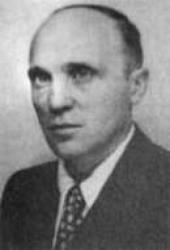
Emile Keratry
 France
- Émile de Kératry: A Life in Politics and Literature
- Literary Controversies
- Political Activism and Electoral Success
- Tenure as Prefect of Police
- Later Career
- Legacy
Émile de Kératry: A Life in Politics and Literature
Early Life and Military CareerÉmile de Kératry was born in Paris on August 20, 1832, to Auguste Kératry. He embarked on a military career, serving in the African campaign (1835) and the Mexican campaign (1862-67). He rose to the rank of aide-de-camp to Marshal Bazaine.
Literary Controversies
After retiring from the military, Kératry made a name for himself with his articles on Mexico in the "Revue contemporaine." These articles sparked controversy and led to attacks on the government and Bazaine, creating trouble for the magazine's publisher, Calonne.
Political Activism and Electoral Success
In 1869, Kératry was elected deputy and became a prominent figure in the opposition. He advocated for the return of documents removed from the national archives and proposed electoral reforms. After the Revolution of September 4, he was appointed Prefect of Police.
Tenure as Prefect of Police
Kératry's tenure as Prefect was brief but eventful. He abolished the state police, reformed the city police, and facilitated the escape of the Empress and princes. His proposal to dissolve the Prefecture of Police met with strong resistance, and he resigned from his post.
Later Career
Appointed commander of the territorial army in Brittany, Kératry organized a formidable militia from local sailors. However, misunderstandings with the administration forced him to relinquish his position. Under Thiers, Kératry served briefly as Prefect. As a representative of the Société des Gens de Lettres, he traveled to America and Russia to negotiate literary conventions.
Legacy
Émile de Kératry left an enduring mark on French politics and literature. His military service, political activism, and literary contributions made him a prominent figure in the late 19th century.