Emile Verhaeren
 Belgium
- Emile Verhaeren: Belgian Poet and Playwright
- Parnassian Elegance and Unconventional Subjects
- Trilogies and Social Commentary
- Poetic Reflections on Love
- Tragic End
Emile Verhaeren: Belgian Poet and Playwright
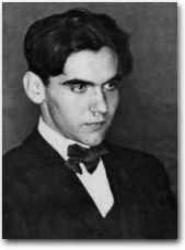
Emile Verhaeren was a Belgian poet and playwright, known for his distinctive style and portrayal of vibrant "Flemish" rural scenes. He was born on May 21, 1855, in Saint-Amand, near Antwerp. Initially, Verhaeren studied law and was admitted to the bar in 1881, but he soon decided to dedicate himself to literature.
Parnassian Elegance and Unconventional Subjects
Verhaeren's early poems were characterized by their refined Parnassian form, although he chose subjects that were far from classical. He preferred to depict richly vibrant "Flemish" rural scenes, as seen in his cycle "Les Flamandes" (1883), or the fervent piety of medieval ascetics in "Les Moines" (1886). In 1900, he wrote the play "Le Cloître" (The Cloister), in which he attempted to modernize the medieval ideal of monastic life.
Trilogies and Social Commentary
Verhaeren's collections "Les Soirées" (1887), "Les Décadences" (1888), and "Les Flambeaux noirs" (1890) form a trilogy that explores the tragedy of human existence. However, his next collection, "Les Apparus dans mes chemins" (1891), ends on an optimistic note, urging individuals to maintain courage. Another trilogy, "Les Campagnes hallucinées" (1893), "Les Villages illusoires" (1894), and "Les Villes tentaculaires" (1895), focuses on social themes and celebrates the energy of human labor.
Poetic Reflections on Love
Verhaeren's works such as "Les Heures claires" (1891), "Les Heures d'après-midi" (1905), and "Les Heures du soir" (1911) are poems about love, characterized by the same intensity of lived experience that attracted readers to his early works. His collections "Les Visages de la vie" (1899), "Les Forces tumultueuses" (1902), "La multiple splendeur" (1906), "Les Rythmes souverains" (1910), and "Les Ailes rouges de la guerre" (1916) are largely didactic, reflecting Verhaeren's belief in the meaningfulness of human efforts.
Tragic End
Tragically, Verhaeren died in a railroad accident in Rouen on November 27, 1916. His untimely death marked the loss of a talented poet and playwright, whose works continue to captivate readers with their eloquence and social commentary.