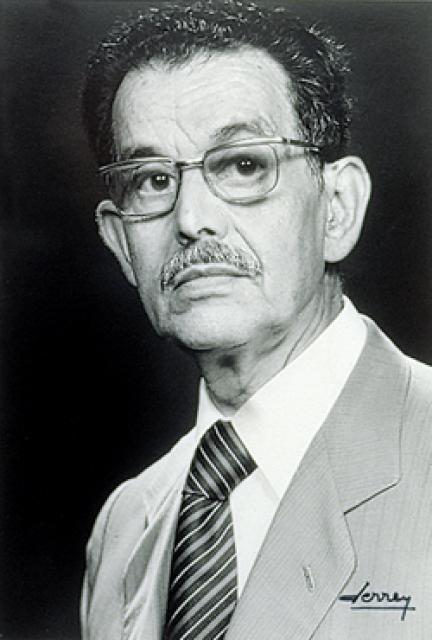
Enric Valor i Vives
 Spain
Spain- Early Life and Career
- Political and Journalistic Activism
- Literary Pursuits
- Political Imprisonment and Exile
- Linguistic Contributions
- Literary Legacy
- Later Life and Recognition
Early Life and Career
Enric Valor i Vives was born on July 18, 1911, in Castalla, Valencia, Spain. As a young man, he showed a keen interest in his native Valencian language and culture.
Political and Journalistic Activism
During the Second Spanish Republic, Valor became involved in political activism. He advocated for the autonomy of Valencia and the recognition of Alicante as a Catalan-speaking region. He contributed to nationalist newspapers in Valencia, expressing his beliefs and support for the republic.
Literary Pursuits
After the Spanish Civil War, Valor turned to literature. He began publishing "rondalles," traditional Valencian folk tales, in the 1950s. His collection, "Rondalles valencianes," was published in five volumes from 1950 to 1958. Valor's writing contributed to the preservation and promotion of Valencian culture.
Political Imprisonment and Exile
During the Franco dictatorship, Valor's political activism continued underground. He was imprisoned from 1966 to 1968 for his involvement in the Valencian nationalist movement. Upon his release, he founded the magazine "Gorg," which became a voice for the Catalan language and culture in Valencia.
Linguistic Contributions
Valor played a significant role in the standardization of the Catalan language in Valencia. He participated in the drafting of the Catalan-Valencian-Balearic Dictionary and promoted the use of Pompeu Fabra's grammar in the Valencian language. His writings, such as "Curs de la llengua valenciana" and "Millorem el llenguatge," helped to establish the norms of contemporary Valencian.
Literary Legacy
Valor's most famous work, "Rondalles valencianes," is a collection of traditional Valencian folk tales that has been widely praised for its literary value. He also wrote a series of novels, including "L'ambici d'Aleix" and the "Cicle de Cassana" trilogy, which explored the hidden history of Valencia under the Franco regime.
Later Life and Recognition
After the fall of the dictatorship, Valor continued to write and receive numerous literary and linguistic awards. He was considered a possible candidate for the Nobel Prize in Literature, but he passed away in 2000 before the nomination could be made. Today, numerous streets, squares, schools, and institutions bear his name in Valencia, honoring his contributions to his native region and language.