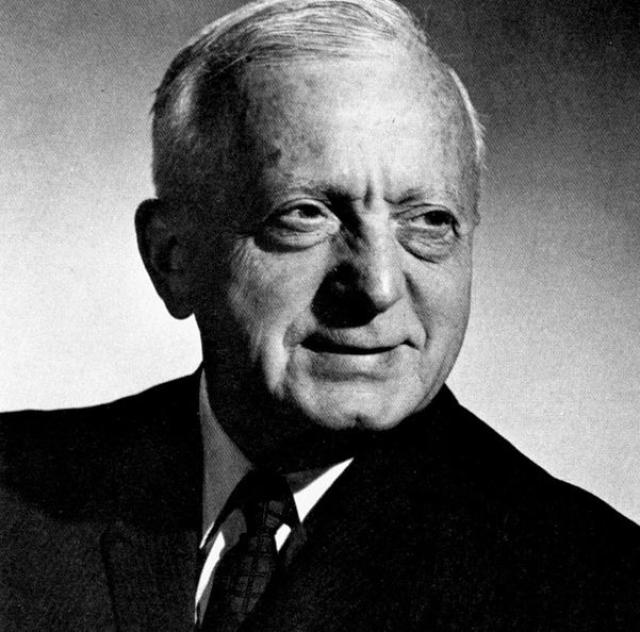
Ernest Laszlo
 USA
USA- Ernst Laszlo: A Legendary Cinematographer
- Early Life and Career
- Collaboration with Robert Aldrich and Stanley Kramer
- Notable Works
- Legacy
Ernst Laszlo: A Legendary Cinematographer
Ernst Laszlo was an Austrian-Hungarian-born cinematographer who left an indelible mark on the world of cinema. His journey took him to the United States, where he made his debut as a cinematographer in 1928 and went on to collaborate with renowned directors such as Robert Aldrich and Stanley Kramer.
Early Life and Career
Laszlo's career began during the silent film era, but it was with the advent of sound that he truly showcased his talents. In 1947, he gained recognition for his work in Norman McLeod's "Road to Rio." His exceptional camerawork continued in films like Rudolf Mate's "D.O.A." (1950) and Joseph Losey's "M" (1951).
Collaboration with Robert Aldrich and Stanley Kramer
Laszlo's most notable collaborations were with Robert Aldrich and Stanley Kramer. With Aldrich, he created suspenseful and gritty films such as "Vera Cruz" (1954), "Kiss Me Deadly" (1955), and "The Big Knife" (1955). In contrast, his partnership with Kramer yielded thought-provoking and socially conscious works like "Judgment at Nuremberg" (1961), "It's a Mad, Mad, Mad, Mad World" (1963), and "Ship of Fools" (1965), for which Laszlo received an Academy Award for Best Cinematography.
Notable Works
Laszlo's diverse filmography includes "Stalag 17" (1953), "Moonfleet" (1955), "The Four Horsemen of the Apocalypse" (1961), and "Airport" (1970). His masterful use of composition, lighting, and color enhanced the emotional impact and visual aesthetics of the films he worked on.
Legacy
Laszlo's son, Andrew Laszlo, also became a renowned cinematographer, known for films such as "The Warriors" (1979) and "Streets of Fire" (1984). Ernst Laszlo's contributions to the film industry remain significant, and his legacy as one of the greatest cinematographers of all time continues to inspire future generations.




