Ernest Shackleton
- From Ireland to the Antarctic
- Nimrod and the race south
- Endurance and the long escape
- Later years and legacy
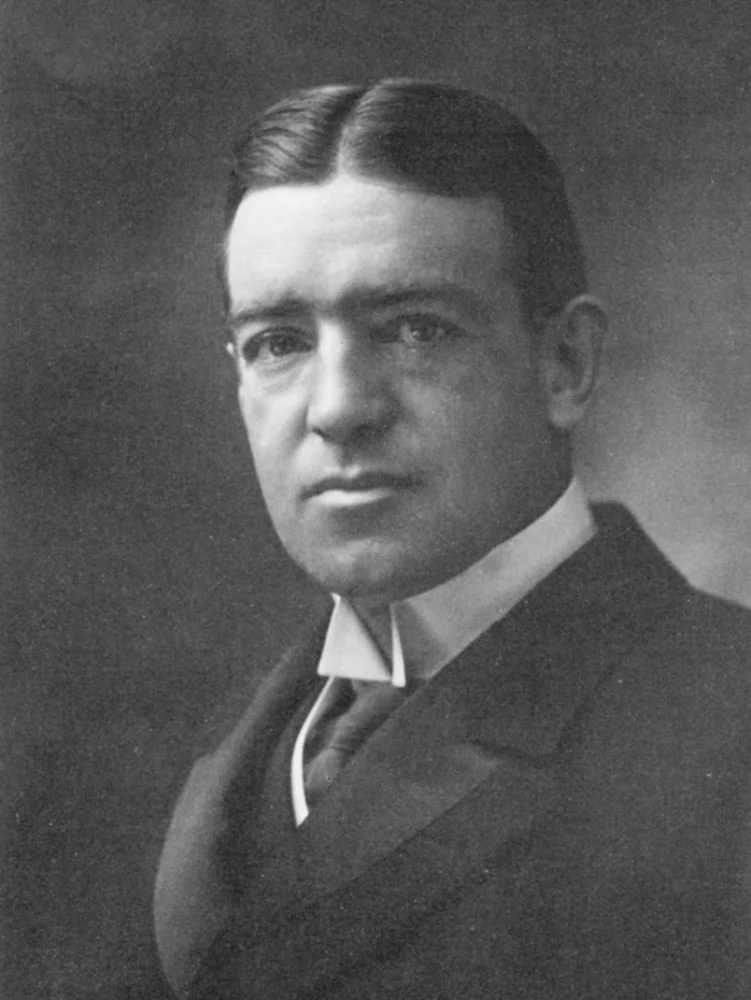
Ernest Shackleton became one of the best-known explorers of the Antarctic, not because he reached the South Pole or crossed the continent, but because he repeatedly brought people through danger. His expeditions combined ambition with hard lessons about ice, weather, money, and leadership. The 1914–1917 Endurance expedition, whose ship was trapped and crushed before the planned crossing could begin, became the defining episode of his career: every member of Shackleton’s main party survived the ordeal.
From Ireland to the Antarctic
Shackleton was born on 15 February 1874 at Kilkea House in County Kildare, Ireland. His father was a doctor, and the family later moved to England. As a teenager, Shackleton joined the merchant navy, gaining practical experience at sea and gradually moving into command. He was drawn to exploration at a time when Antarctic journeys were seen as tests of endurance, national prestige, and scientific ambition.
In 1901, he joined the British National Antarctic Expedition aboard the Discovery, led by Robert Falcon Scott. Shackleton took part in a southern journey with Scott and Edward Wilson, reaching farther south than any previous expedition. The trip was punishing, and Shackleton’s health deteriorated. He returned to Britain aboard a relief ship in 1903, amid disagreements about his condition and his role. The experience did not end his Antarctic ambitions.
Nimrod and the race south
Shackleton led his own expedition aboard the Nimrod from 1907 to 1909. The party carried out scientific and geographic work while pushing toward the South Pole. On 9 January 1909, Shackleton, Frank Wild, Eric Marshall, and Jameson Adams reached 88°23′ south, then the farthest south any human had traveled. They were still roughly 97 miles from the Pole, but food and supplies were running low. Shackleton chose to turn back, a decision that likely saved the party. The expedition returned to Britain as a major public success, and Shackleton was knighted.
By the time Norwegian explorer Roald Amundsen reached the South Pole in 1911, Shackleton turned to a different goal: crossing Antarctica from the Weddell Sea to the Ross Sea. He organized the Imperial Trans-Antarctic Expedition, which left Britain in 1914 aboard Endurance. The expedition included a second ship, Aurora, whose Ross Sea party was tasked with laying supply depots across the continent. That supporting party faced its own hardships, and three of its members died.
Endurance and the long escape
Endurance entered the Weddell Sea in late 1914 and became trapped in pack ice in January 1915. The pressure of the moving ice eventually crushed the ship, which sank in November. Shackleton’s main party salvaged what it could and camped on drifting ice before reaching Elephant Island in lifeboats. They were stranded on the remote island, far from established settlements and regular shipping routes.
To find help, Shackleton and five companions sailed the small James Caird through rough seas to South Georgia, a journey of about 800 nautical miles. They landed on the island’s uninhabited coast and crossed its mountainous interior to reach the whaling station at Stromness. Shackleton then organized repeated attempts to return to Elephant Island. He finally reached the stranded party in August 1916 and brought everyone home alive. The planned continental crossing had failed, but the rescue became a celebrated feat of survival and command.
Later years and legacy
The First World War began as Shackleton’s expedition was heading south. He offered his services and later served in the British Army, reaching the rank of major. In 1921, he set out again on the Quest, intending a new expedition to the Antarctic. On 5 January 1922, while the ship was at South Georgia, he suffered a fatal heart attack. He was 47. At his wife Emily’s request, he was buried on the island at Grytviken.
Shackleton’s public image has centered on the Endurance ordeal, but his career also included exploration, scientific work, organizing, fundraising, and persistent attempts to return south. His decision on the Nimrod journey to turn back before reaching the Pole and his later efforts to rescue the Endurance party illustrate a consistent instinct to weigh ambition against the survival of his companions. More than a century later, his story remains compelling because it shows exploration not only as a contest against geography, but as a test of judgment under pressure.