Ernst Hoffman
 Germany
Biography of Ernst Hoffmann
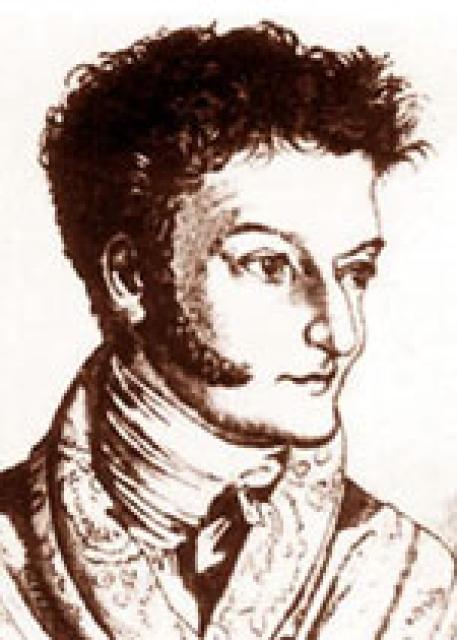
Ernst Hoffmann was a German writer, composer, music critic, conductor, and artist-decorator. He believed himself to be an excellent lawyer and an exemplary Prussian official, with a decent understanding of music, playing the violin and dabbling in musical composition. Battling with persistent insomnia, he would spend his nights scribbling down various nonsense. Gradually, he found pleasure in engaging in this nonsense, especially since there were publishers willing to print it and readers eager to buy and read it.
The end of the Enlightenment era was marked not by the triumph of Reason, but by bloody revolution and a period of equally bloody wars. In the depths of the human psyche, rather malicious demons were discovered, which surfaced under favorable circumstances. It is precisely about these devilish creatures of human origin that Hoffmann wrote his terrifyingly whimsical, strange, and consistently optimistic fairy tales. In the conflict between infernal beings and earthly creatures, he always sided with the latter, never extinguishing the lamp on the final pages.
Hoffmann is also credited with writing the first postmodern novel in European literature, "The Life and Opinions of the Tomcat Murr, with Fragments of the Biography of Kapellmeister Kreisler". The chapters of the novel, ending in mid-sentence, appear this way because the author, the tomcat Murr, in accordance with his feline nature, loved to occasionally tear and shred paper, including the fruits of his own creativity.
Hoffmann is known to everyone, even if they are not aware of it, because his tale "Nussknacker und Mausenkonig" ("The Nutcracker and the Mouse King") served as the plot basis for Pyotr Ilyich Tchaikovsky's ballet "The Nutcracker".