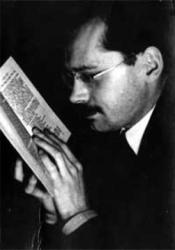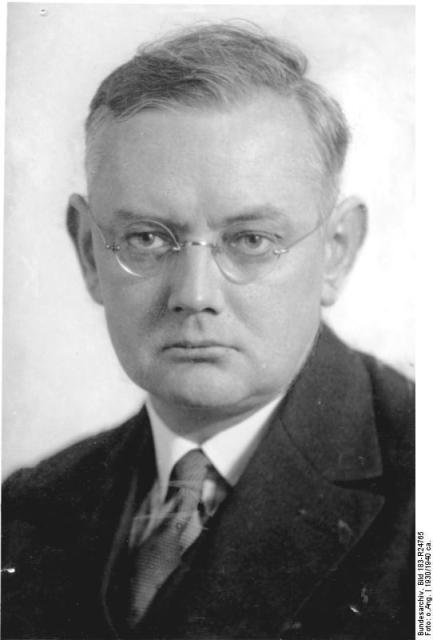
Ernst Krieck
 Germany
- Ernst Krieck: A German National Socialist Philosopher
- Career as a Teacher
- Rise in National Socialism
- Philosophical Contributions
- Legacy
Ernst Krieck: A German National Socialist Philosopher
Early Life and EducationErnst Krieck was born on July 6, 1882, in Feigisland, Baden, Germany. His family was Protestant, with a father who worked as a civil engineer and ancestors who were peasants and artisans. Krieck faced hardships during his childhood, experiencing poverty and loneliness from a young age.
At the age of ten, he left home and enrolled in a public school in Mülheim. In 1898, he became a student at the педагогический семинар in Karlsruhe and graduated as a primary school teacher in 1900.
Career as a Teacher
For four years, Krieck held several teaching positions in different cities in Baden, remaining an elementary school teacher. Despite the limited opportunities, his determination and self-motivated studies helped him to advance his knowledge.
Rise in National Socialism
In 1933, Krieck was appointed as a professor of philosophy and pedagogy at Heidelberg University. He also became the editor of the journal "Folk im werden" ("People in Development"). Krieck's philosophical views aligned with the ideology of National Socialism.
Philosophical Contributions
Krieck's main philosophical work, "Folk-Political Anthropology," outlined his belief in the importance of racial biology and the state. He argued for the inherent superiority of the German nation and the role of myth in shaping national identity.
Krieck was critical of Max Weber's sociological theory, labeling him as an "unrooted intellectual." Instead, he emphasized the significance of myth as a fundamental reality that transcends logical reasoning.
Legacy
Ernst Krieck's work on political mythology influenced the National Socialist ideology and continues to be debated today. His intellectual stature and the depth of his ideas challenge simplistic dismissals. His writings suggest that understanding myth requires a holistic examination of historical events and a profound grasp of their implications.