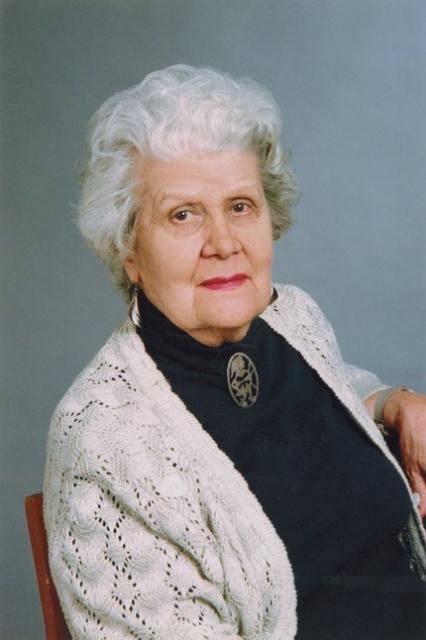
Evgeniya Farmanyants
 Russia
- Early Life and Education
- Professional Career
- Lisa in "La Fille mal gardée"
- Legacy
- Differences Between Moscow and St. Petersburg Ballet
- Evolution of Ballet Technique
- Notable Ballerinas
- Role of Acting in Ballet
- Ballet Education and Training
Early Life and Education
Evgenia Farmaniants(born 1920) is a legendary Russian ballet dancer, choreographer, and pedagogue. She was born in Moscow and enrolled in the ballet classes of the Moscow Orphanage School, established in 1773, in 1928.
Professional Career
Farmaniants began her professional career as a soloist with the Bolshoi Theatre in 1938, where she danced for over two decades until 1959. Her notable roles included:
Lisa in "La Fille mal gardée"
Friends, Jig, and Gypsy in "Don Quixote"Fairy Violante in "Sleeping Beauty"
Neopolitan Dance in "Swan Lake"
Pas de deux in "Giselle"
Variations and Saracen Dance in "Raymonda"
Chaga in "Polovtsian Dances" from "Prince Igor"
Pedagogical Career
In addition to her performing career, Farmaniants became a renowned ballet teacher. She joined the faculty of the Moscow State Academy of Choreography (MAGHU) in 1939 and served as a professor and head of the department of folk, historical, and contemporary dance.
Legacy
Farmaniants is widely respected for her contributions to Moscow ballet, which she believes has always been characterized by its expressive and theatrical qualities. She advocates for the preservation of classical ballet techniques while embracing innovation and artistic evolution.
Differences Between Moscow and St. Petersburg Ballet
Farmaniants observes that while both Moscow and St. Petersburg ballet adhere to the Vaganova method, they have distinctive approaches. Moscow ballet is known for its emphasis on acting skills, drawing inspiration from the ideas of Stanislavsky and the Moscow Art Theatre. In contrast, St. Petersburg ballet tends toward a more reserved and academically precise style.
Evolution of Ballet Technique
Farmaniants notes that the current emphasis on high legs and virtuosic jumps is a departure from the traditional focus on expressive footwork and stomping dances. She believes that this shift in aesthetics reflects societal changes and a diminished emphasis on inner expression and artistic depth.
Notable Ballerinas
Farmaniants considers Marina Semenova to be the most expressive and captivating ballerina she has ever witnessed. Semenova's ability to convey emotions and create distinct characters through her unique gestures and nuanced movements left an unforgettable impression.
Role of Acting in Ballet
Farmaniants emphasizes the importance of acting skills in ballet, which she believes should be on par with those required in dramatic theater. She recalls working with acclaimed actors and directors, such as Ruben Simonov, to develop the dramatic depth of her roles.
Ballet Education and Training
Despite the passage of time, Farmaniants believes that the core curriculum and training regimen of ballet schools have remained largely unchanged. Classical dance, folk dances, and acting classes still form the foundation of a dancer's education.


