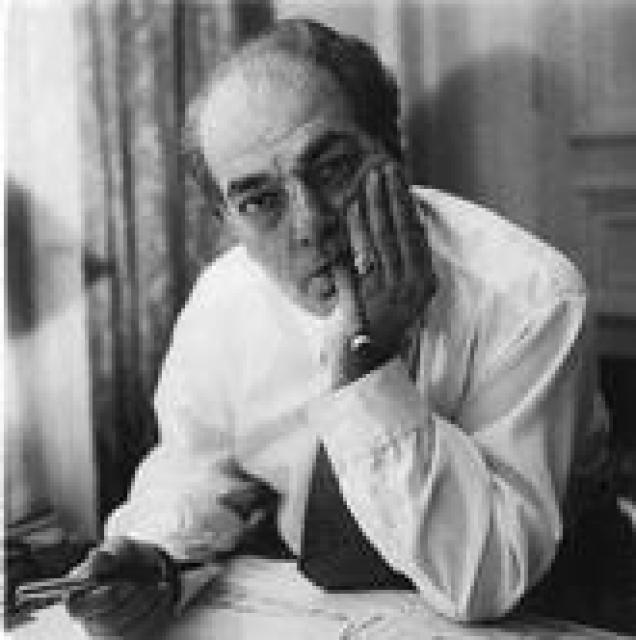
Eytor Villa-Lobos
 Brazil
- Heitor Villa-Lobos: A Brazilian Musical Genius
- Exploration and Inspiration
- International Recognition
- Prolific Composer and Conductor
- - "Rudepoema" (1921-1926): A visionary orchestral composition
- - "Choro No. 8" (1925): A concerto for two pianos and orchestra
Heitor Villa-Lobos: A Brazilian Musical Genius
Early Life and Musical AwakeningHeitor Villa-Lobos was born in Rio de Janeiro, Brazil, on March 5, 1887. From an early age, he displayed a remarkable talent for music. At the age of six, he began studying cello under the guidance of his father. By 11, he had mastered the clarinet, guitar, and several other instruments.
Exploration and Inspiration
Throughout his youth, Villa-Lobos traveled extensively throughout Brazil, absorbing the rich musical folklore of his homeland. He was particularly fascinated by the vibrant fusion of folk, popular, and indigenous elements that characterized Brazilian music. This exposure would later have a profound impact on his own compositions.
International Recognition
In 1922, Villa-Lobos embarked on a pivotal trip to Paris, where his music garnered international recognition for the first time. Upon his return to Brazil, he dedicated himself fully to his musical pursuits. In 1932, he was appointed Director of Music Education in Brazil, where he played a pivotal role in promoting musical education and establishing music schools and choral groups throughout the country.
Prolific Composer and Conductor
From the 1940s to the 1950s, Villa-Lobos traveled extensively to the United States, where he conducted the premieres of several of his compositions. He also participated in the staging of his opera "Malazarte" (1921).
Villa-Lobos was renowned for his prolificacy and compositional versatility. His works spanned a wide range of genres, from operas and symphonies to arrangements of children's songs. Some of his most celebrated works include:
- "Bachianas brasileiras" (1930-1945): Ten suites for various instrumental combinations, inspired by the music of Johann Sebastian Bach
- "Uirapuru" (1917) and "Amazonas" (1927): Symphonic poems evoking the beauty of Brazil's natural landscapes
- "Rudepoema" (1921-1926): A visionary orchestral composition
- "Choro No. 5: Alma brasileira" (1926): A piano solo capturing the essence of the Brazilian choro genre
- "Choro No. 8" (1925): A concerto for two pianos and orchestra
- "Choro No. 10" (1925): A choral work with orchestral accompaniment- "Serestas" (1924-1941): A collection of songs for voice and piano
Legacy
Heitor Villa-Lobos passed away in Rio de Janeiro on November 17, 1959. He remains one of the most prolific and influential composers of the 20th century. His music continues to captivate audiences worldwide, celebrating the vibrant musical traditions of his beloved Brazil.





