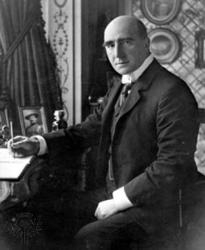
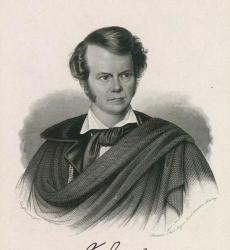
Francois Boisrobert
 France
- Francois Boisrobert: A Literary Luminary
- Paris, the Crucible of Talent
- Conversion, Patronage, and Diplomacy
- Richelieu's Literary Secretary and Founding of the French Academy
- A Life of Excess and Literary Legacy
- Later Years and Legacy
Francois Boisrobert: A Literary Luminary
Francois Boisrobert, a renowned French poet and playwright, was born into a prestigious family in Caen. As a young man, he pursued legal studies and became a member of the Bar of Rouen.
Paris, the Crucible of Talent
In 1622, Boisrobert ventured into the vibrant literary scene of Paris. He initially aligned with a group of free-thinking poets, but the trial of Theophile de Viau prompted him to join the followers of Francois de Malherbe. This shift paved the way for his introduction to the royal court and participation in the "Ballet of the King, Representing a Bacchanal" in 1623.
Conversion, Patronage, and Diplomacy
The same year, Boisrobert converted to Catholicism and was appointed Abbot of Chatillon-sur-Seine. In 1625, he accompanied a diplomatic mission to London and later journeyed to Rome, where he gained the favor of Pope Urban VIII and became a Prior and Canon of Rouen.
Richelieu's Literary Secretary and Founding of the French Academy
Boisrobert's wit, satirical talent, and conversational skills earned him the patronage of Cardinal Richelieu in 1623. He became Richelieu's literary secretary and one of five authors who dramatized the Cardinal's ideas. Boisrobert played a pivotal role in the literary gatherings hosted by Valentin Conrart, proposing its transformation into a public society—the genesis of the French Academy. He was elected as one of its first members in 1634.
A Life of Excess and Literary Legacy
Boisrobert's substantial wealth, bestowed upon him by Richelieu's favor, allowed him to generously support writers. However, his flamboyant lifestyle, including excessive spending, gambling, and openly homosexual relationships, provided fodder for his detractors.
Despite periods of disfavor, Boisrobert's literary output remained prolific. He wrote 18 plays, predominantly tragicomedies, with "La Belle Plaideuse" being a notable inspiration for Moliere's "The Miser." He also penned numerous poems, edited the works of Theophile de Viau, and compiled "Le Parnasse Royal" in honor of Louis XIII and Cardinal Richelieu. According to Bernard de La Monnoye, Boisrobert was also the author of ribald tales published under the pseudonym of his brother, Antoine Le Metel d'Ouville.
Later Years and Legacy
After Richelieu's death, Boisrobert aligned with Cardinal Mazarin during the Fronde. His legacy as a literary figure, patron of the arts, and founding member of the French Academy endures today, influencing the course of French literature and theater.