Frank Borzage
 USA
USA- Frank Borzage: A Life in Cinema
- The Silent Era
- Awards and Acclaim
- The Sound Era
- Later Career
- Personal Life and Death
Frank Borzage: A Life in Cinema
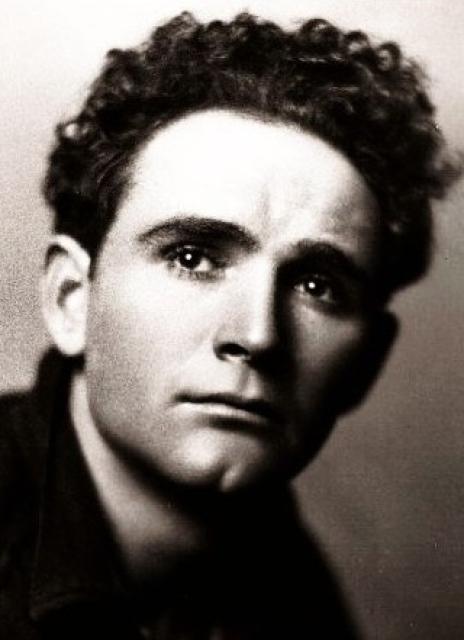
Early Life and CareerFrank Borzage was born in Salt Lake City, Utah, on April 3, 1894. His family moved to Los Angeles in 1919. Borzage began his acting career at the age of 18 and quickly transitioned to directing in 1915.
The Silent Era
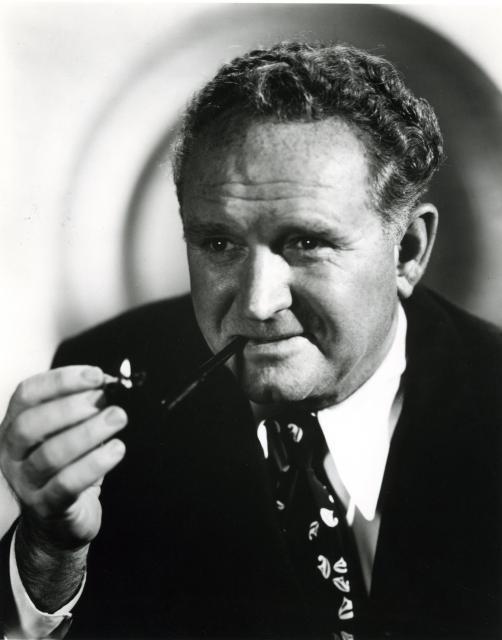
During the 1920s, Borzage gained prominence as a director during the transition from silent to sound films. Influenced by German director F. W. Murnau, he developed a distinctive visual and romantic style. His most notable works from this period include collaborations with Janet Gaynor and Charles Farrell, such as "Seventh Heaven" (1927) and "Street Angel" (1928).
Awards and Acclaim
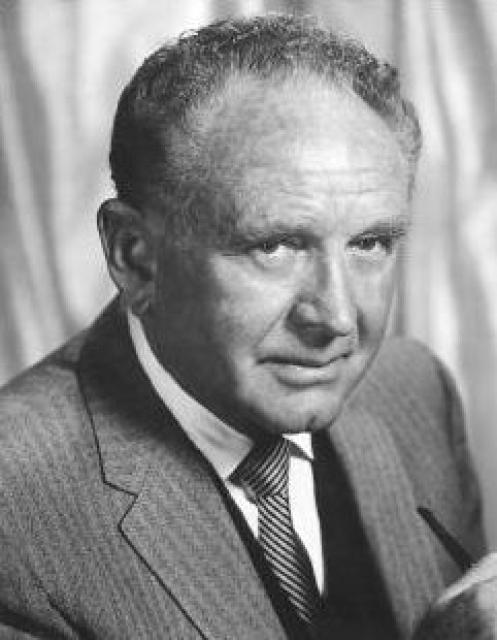
"Seventh Heaven" earned Borzage his first Academy Award for Best Director. He received his second Oscar in 1932 for "Bad Girl." Borzage's films consistently explored the complexities of young love amidst adversity.
The Sound Era
In the 1930s, Borzage continued to direct memorable films, including "A Farewell to Arms" (1932), "Lucky Star" (1938), and "History Is Made at Night" (1937). These works often featured themes of war, disability, and the rise of Nazism.
Later Career
After 1940, Borzage's reputation declined as his earlier films lost their popularity. He shifted to religious themes in his later works. In 1950, he was awarded a star on the Hollywood Walk of Fame.
Personal Life and Death
Borzage married actress Lorena Rogers in 1916. They divorced in 1941. In 1945, he wed Edna Stillwell Skelton, the former wife of comedian Red Skelton. They divorced in 1949. Borzage passed away on June 19, 1962, at the age of 68, from lung cancer.