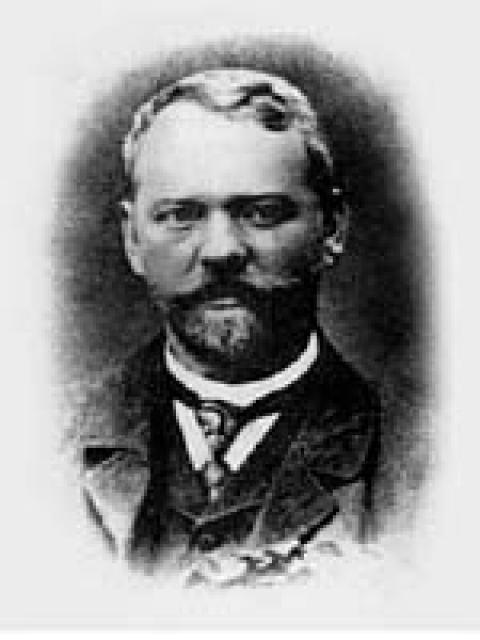
Frantisek Kavan
 Czech
Czech- František Kaván: Czech Artist and Writer
- Early Life and Education
- Symbolism and Beyond
- Departure and Return to Landscape Painting
- Winter Landscapes and Legacy
František Kaván: Czech Artist and Writer
František Kaván was a renowned Czech artist and writer whose contributions left a lasting impact on the world of art.
Early Life and Education
Kaván was born in 1866 and exhibited an early passion for art. He honed his skills at the prestigious Academy of Fine Arts in Prague, where he studied landscape painting from 1890 to 1895. Under the tutelage of Julius Maržák, a renowned artist who had revived the academy's landscape painting class, Kaván flourished as one of the most talented students of his time.
Symbolism and Beyond
In 1892, Kaván's artistic journey took an unexpected turn when he encountered the works of the late Antonín Hitusi. Inspired by Hitusi's symbolic style, Kaván began experimenting with symbolism in both his paintings and writings. However, his embrace of this avant-garde movement drew criticism from Maržák, who dismissed it as "black painting."
Departure and Return to Landscape Painting
Disagreement with his mentor led Kaván to leave the academy in 1895. For the next four years, he immersed himself in the realm of symbolism. However, in 1900, he was awarded a gold medal at the World Exhibition in Paris for his 1894 paintings. This recognition marked a pivotal shift in his career as he returned to his roots in landscape painting, which remained his primary artistic focus until his passing in 1941.
Winter Landscapes and Legacy
Kaván's mastery as a landscape painter was particularly evident in his depictions of winter scenes. His ability to capture the ethereal beauty and tranquility of the frozen landscape set him apart from his contemporaries. Today, Kaván's works continue to be admired for their technical proficiency and evocative atmosphere, solidifying his place as a significant figure in Czech art history.




