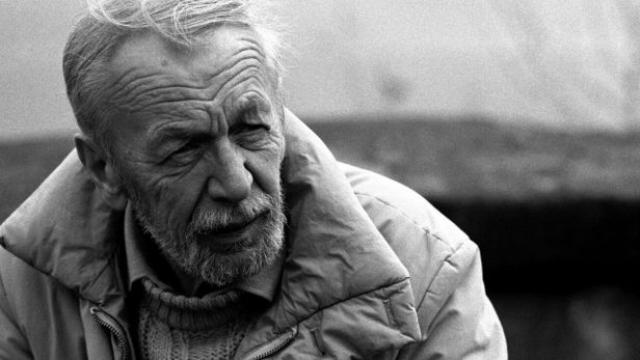
Frantisek Vlacil
 Czech
Czech- František Vláčil: A Czech Cinematic Icon
- Transition to Short Films
- Recognition and Acclaim
- Historical Dramas and Social Commentary
- Experimental Explorations
- Later Works and Legacy
- Personal Struggles and Recognition
František Vláčil: A Czech Cinematic Icon
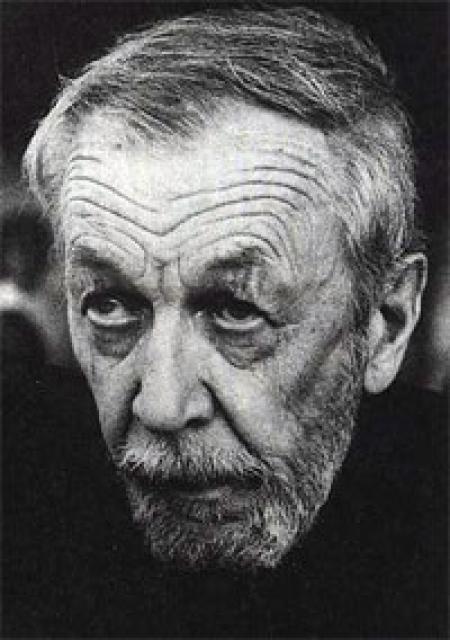
Early Life and EducationFrantišek Vláčil was born in 1924 in Český Těšín. Despite not receiving formal cinematic training, he pursued his passion for filmmaking by joining the animation department of a local studio.
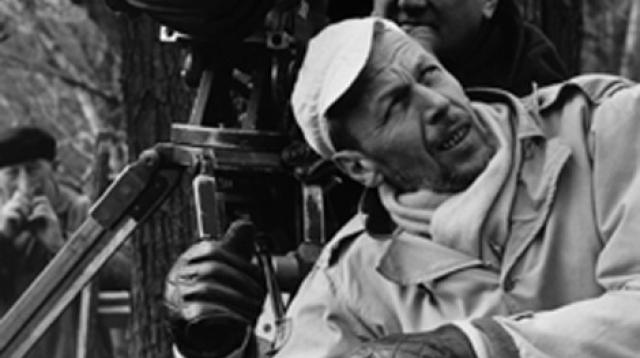
Transition to Short Films
Vláčil's early works consisted of educational and scientific films. However, he found his niche in short films, directing notable works such as "Inn with Electricity," "Medicine No. 2357," and "Glass Clouds."
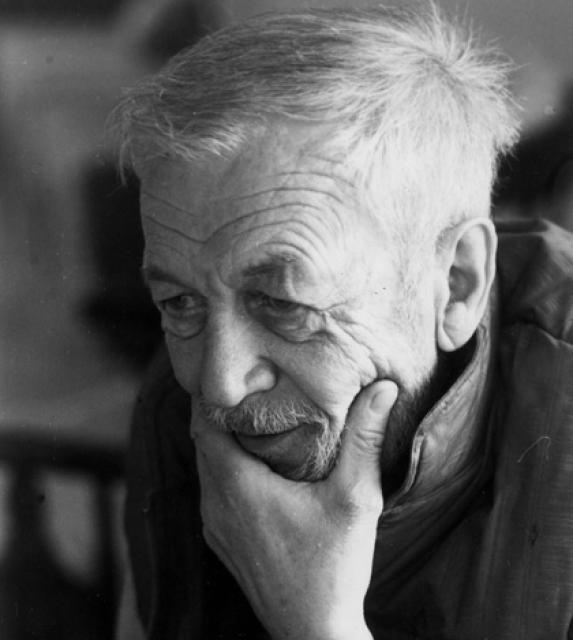
Recognition and Acclaim
His reputation as a talented director grew with "Glass Clouds," his first feature-length film. In 1960, his lyrical and thought-provoking drama "White Dove" earned him international recognition and a Venice Film Festival award.
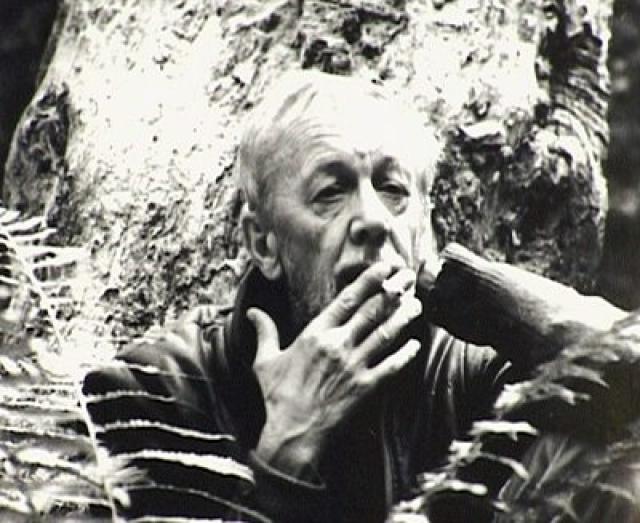
Historical Dramas and Social Commentary
Vláčil's historical dramas, notably "Marketa Lazarová" (1966) and "Valley of the Bees" (1967), explored themes of medieval violence, rivalry, and the human condition. In "Devil's Trap" (1961), he portrayed the consequences of religious fanaticism.
Experimental Explorations
Vláčil's 1969 film "Adelheid" marked a shift towards color cinematography. It depicted the harsh realities faced by a soldier returning home after the war. He continued to experiment with short films, capturing the essence of "Karlovy Vary Promenades" (1973), the Art Nouveau era in "Prague Secession" (1974), and the horrors of war in "Sirius" (1974).
Later Works and Legacy
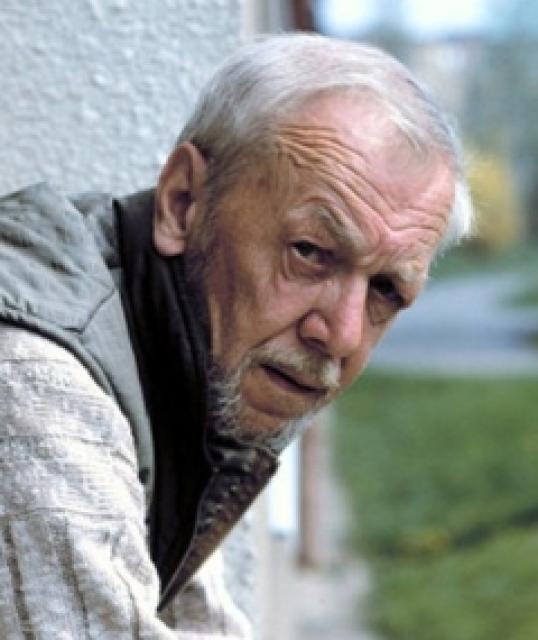
Vláčil's later films included "Smoke of Potato Fields" (1976), "Snake Venom" (1981), and "Shadow of the Fern" (1984). His unique style and the depth of his storytelling cemented his place as one of the finest and most respected Czech filmmakers.
Personal Struggles and Recognition
Following the 1969 Soviet invasion, Vláčil faced restrictions on his artistic expression. This, along with personal struggles, contributed to his battle with alcoholism. In 1999, just days after his film "Marketa Lazarová" was named the greatest Czech film ever by the European Film Academy, Vláčil passed away. His tragic end mirrors the exceptional and often tumultuous lives of true geniuses.
Despite being misunderstood by some of his contemporaries, Vláčil's impact on Czech cinema remains immense. Film historian Pavel Jiras aptly described him as "Jesus Christ of cinema." His legacy continues to inspire and challenge future filmmakers.


