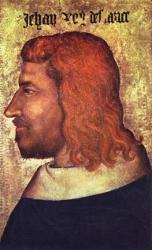
Frantsisk 2
 France
- Biography of Francis II of France
- Domination of the Guise Family
- Illness and Regency
- Challenges and Changes
- Religious Policy and Opposition
- The Ambroise Conspiracy
- The Rise of Catherine de' Medici
- Political Changes and Resistance
- Religious Conflicts and Reform
- The Amboise Conspiracy
- The Role of Catherine de' Medici
Biography of Francis II of France
Francis II of France was the King of France, and the eldest son of Henry II and Catherine de' Medici. In April 1558, Francis married Mary Stuart, the niece of the Duke of Guise and future Queen of Scotland. In July 1559, after the accidental death of his father, Francis ascended to the throne.
Domination of the Guise Family
During his brief reign, the Guise family dominated both the domestic and foreign policies of France. Additionally, a group of Protestants, vehemently opposed to the official religious policies, emerged in the country. In an attempt to capture the king and remove Guise's influence over him, the Huguenots carried out the failed Amboise conspiracy in 1560.
Illness and Regency
Francis II, King of France and nominally also King of Scotland through his marriage to Mary Stuart, was a sickly and mentally unstable teenager of under sixteen when a fatal accident during a tournament in July 1559 led him to the French throne. In terms of commonly accepted legal understanding, the king was of age, so despite his weakened condition, there was no question of regency. However, there were doubts about his ability to exert authority, leading to the importance of choosing his closest advisors. This marked the rise of the Guise family, represented by Francis and his brother Charles, as well as the influential Cardinal of Lorraine.
Challenges and Changes
Under Francis II's rule, the state saw significant changes. While Francis did not involve himself in state affairs, delegating them to his Guise brothers, the former favorite of Henry II, Montmorency, did not experience significant humiliation despite losing real power. He retained his prestigious title of Constable of France, which theoretically implied supreme command of the royal army during times of war, and was also confirmed in his governance of Languedoc. However, the star of Diane de Poitiers, Henry II's longtime friend and lover, declined. She left the court and was compelled to trade her luxurious Château de Chenonceau on the Loire to Catherine de' Medici for the less opulent Château de Chaumont. Those who had advanced thanks to her patronage had to give way to Catherine de' Medici and the Guise family.
Religious Policy and Opposition
However, the Guise family had to contend not only with old rivals such as Montmorency but also with aristocrats who were related to the royal house and had a claim to the throne in the event of the direct line's extinction, known as the "princes of the blood." These princes, due to their special relationship with the royal family, easily became the center of various opposition groups, both real and hidden, and both Antoine de Bourbon, Duke of Vendôme and, through his marriage to Jeanne d'Albret, King of Navarre, and his younger brother Louis de Condé were outspoken in their Protestant beliefs. The Guise family persuaded Francis II to continue his predecessor's unyielding religious policy. Under Henry II, heresy was punishable by death through burning, and additional measures were introduced to target the underground Protestant church, including the destruction of meeting places and the death penalty for attending or organizing secret gatherings. Feudal landowners with judicial powers lost their rights if they failed to diligently prosecute religious apostates. Church authorities encouraged reporting of Protestants by threatening to excommunicate those who did not report heresy. Simultaneously, searches increased, leading to more arrests of adherents to the new doctrine. Religious antagonism began to permeate lower classes, leading to provocations and bloody clashes between Catholics and Protestants. This conflict eventually radicalized French Protestantism as more nobles joined their cause. Their movement aimed to remove "foreign" favorites, whom they saw as responsible for the crown's unyielding policies, and actively involve native nobility in government. Louis de Condé soon became the leader of this movement, while his brother, the more indecisive Navarre, tended to favor more energetic and bold actions.
The Ambroise Conspiracy
Under Condé's leadership, a secret meeting was held in February 1560 in Nantes, led by an exiled nobleman named La Renaudie, who had converted to Protestantism in Geneva. This assembly, considering itself the legitimate representative of the entire nation, made the decision to carry out an armed action only against the Duke of Guise and Cardinal of Lorraine, not against the crown. Costly preparations for such an enterprise could not go unnoticed. When the first reports of the conspiracy emerged, the king and his court left the unprotected Blois and traveled down the Loire. The court retreated to the fortified castle of Amboise, which was promptly prepared for defense by the Duke of Guise. On March 16, La Renaudie attempted to storm Amboise. The loyal troops dispersed the poorly organized attackers, many of whom were untrained artisans, and captured a large number of prisoners. La Renaudie was killed in the battle, but survivors, as state traitors, were sentenced by a criminal court. In the following days, Amboise became a place of numerous executions; according to contemporary reports, even the walls and gates of the castle were adorned with the bodies of the condemned. Although the armed uprising was a complete failure, the events in Amboise had consequences. Within the immediate circle of the king, voices blaming the Guise family for the uprising grew louder, and it was in the interest of the state to show greater tolerance towards the Protestants. Soon, timid steps were taken in this direction. Even before the first reports of the conspiracy on March 2, 1560, the Royal Council had issued a decree promising amnesty to Protestants willing to convert. The Edict of Romorantin limited the competence of secular courts in religious matters, leaving decisions on heresy to church courts.
The Rise of Catherine de' Medici
This trend towards a more flexible policy was inspired and supported by Catherine de' Medici. The Queen Mother began to depart from her previous reserve and play the role of a clever, and if necessary, shameless defender of the monarchy's interests and her own household. Whether she secretly sympathized with Calvinist teachings, as many Protestants hoped and believed, remains doubtful. However, it is clear that her previous uncompromising stance on religious matters did not correspond to her pragmatic nature. Her intervention in political events was driven by a clear awareness of the danger the crown faced by aligning with the Guise family. Catherine orchestrated the appointment of Michel de l'Hôpital, a humanistically educated lawyer imbued with the spirit of religious equality, as Chancellor in place of the deceased Olivier. When Admiral Coligny, Montmorency's nephew and a moderate representative of the Protestants, suggested convening the notables of the kingdom to address internal issues, Catherine supported him. The Guise family, who had previously been subjected to vehement attacks from Protestant propaganda, had no choice but to adopt a conciliatory position. The arrival of Mary, Queen of Scots, in France, the daughter of James V of Scotland and their sister Mary of Guise, provided them significant support. Furthermore, Queen Mother Catherine de' Medici shared their dissatisfaction with the peace concluded by Montmorency in Cateau-Cambrésis, and in the final months of Henry II's life, she grew closer to them. Thus, significant changes occurred at the court with the accession of Francis II. Although he did not engage in state affairs, delegating them to the Guise brothers, the court saw shifts in power dynamics.
Political Changes and Resistance
Francis II did not actively participate in politics, leaving it to his Guise brothers. However, his former favorite, Montmorency, did not experience significant humiliation, despite losing real power. While he lost his actual authority, he retained the prestigious title of Constable of France, which theoretically implied supreme command of the royal army during times of war, and he was also confirmed in his governance of Languedoc. On the other hand, the star of Diane de Poitiers, Henry II's longtime friend and lover, declined. She left the court and was compelled to trade her luxurious Château de Chenonceau on the Loire to Catherine de' Medici for the less opulent Château de Chaumont. Those who had advanced thanks to her patronage had to give way to Catherine de' Medici and the Guise family.
Religious Conflicts and Reform
The Guise family prompted Francis II to continue his predecessor's uncompromising religious policies. In the Edict of Écouen of June 2, 1559, Henry II ordered the punishment of heresy by burning at the stake. Additional measures were enacted, targeting the vital aspects of the underground Protestant church. Houses used for meetings were to be destroyed, and attending or organizing secret gatherings carried the penalty of death. Feudal landowners with judicial powers who failed to diligently prosecute religious apostates lost their judicial rights. The church authorities encouraged reporting on Protestants by threatening excommunication for failure to report heresy. Meanwhile, searches increased, resulting in more arrests of adherents to the new doctrine. Religious antagonism penetrated even the lower classes, leading to provocations and bloody clashes between Catholics and Protestants. As a result of increasing nobility support, French Protestantism inevitably radicalized. The movement aimed to remove "foreign" favorites, blaming them for the crown's unyielding policies, and to actively involve native nobility in government. Louis de Condé soon became the leader of this movement, while his brother, the more indecisive Navarre, tended to favor more energetic and bold actions.
The Amboise Conspiracy
Under Condé's leadership, a secret meeting was held in Nantes in February 1560, led by a provincial nobleman named La Renaudie, who had converted to Protestantism in Geneva. This assembly, considering itself the legitimate representative of the entire nation, made the decision to carry out an armed action only against the Duke of Guise and the Cardinal of Lorraine, not against the crown.
The Role of Catherine de' Medici
By the end of Francis II's reign, Catherine de' Medici's cunning tactics had achieved her goal of preserving the independence of the crown amidst increasing strife between Catholics and Protestants, Guise supporters, and the "princes of the blood."
Source: "French Kings and Emperors," edited by Peter K. Hartmann; "Phoenix," Rostov-on-Don, 1997.