Galgoczi Erzsebet
 Hungary
- Erzsébet Galgóczi: A Hungarian Literary Luminary
- Literary Journey
- Personal Struggles and Influences
- Legacy and Impact
- Adaptation and Recognition
Erzsébet Galgóczi: A Hungarian Literary Luminary
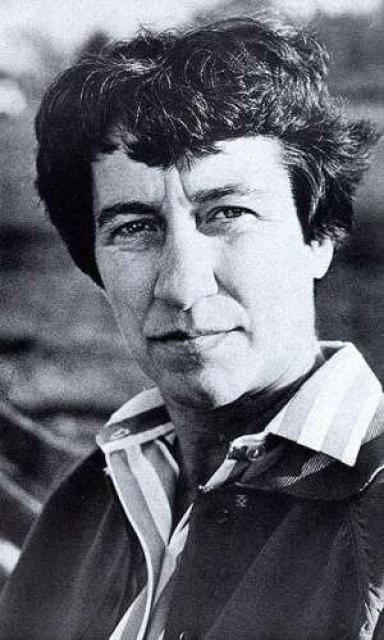
Early Life and EducationBorn in 1930 in the humble village of Menfőcsanak, Erzsébet Galgóczi was the seventh of eight children. She attended secondary school in Győr from 1941 to 1945. Despite her aspirations to pursue acting at the University of Theatre and Film Arts in Budapest, her parents' opposition led her to work as a machinist at the Raba Machine Factory. Undeterred, she enrolled in the screenplay department of the University of Theatre and Film Arts in 1950, graduating in 1955.
Literary Journey
Galgóczi's writing career began at the tender age of twenty with the short story "Száz százalék." Her prose, often labeled as "peasant literature," captured the complexities of rural life and its inhabitants. Initially influenced by socialist realism, her works gradually transitioned towards humanism. Her poignant and melancholic narratives chronicled the challenges faced by farmers during the collectivization of agriculture, highlighting the detrimental social consequences of political upheaval. Notably, her later works faced political censorship for their candid revelations about government secrecy.
Personal Struggles and Influences
The Hungarian Revolution of 1956 profoundly shaped Galgóczi's literary output. In the 1970s, she publicly acknowledged her lesbian identity, which became a central theme in her later works. Her acclaimed novels "Törvényen belül" (1980) and "Vidravas" (1984) explored the conflict between her rural upbringing and the recognition of her sexual orientation.
Legacy and Impact
Galgóczi passed away in 1989, leaving behind a significant literary legacy. Her work has been translated into numerous languages and continues to be studied and appreciated by literary scholars and readers alike. Her poignant depiction of rural life and the human condition are timeless and universal.
Adaptation and Recognition
In 1982, Károly Makk's film "Another Way" (based on Galgóczi's short stories) garnered widespread acclaim and won several awards, including two at the Cannes Film Festival. Galgóczi also wrote several screenplays for television productions.