Ganiball
 Macedonia
- Hannibal Barca, Commander of Carthaginian Forces
- Tensions with Rome
- Appointment as Commander
- Legendary Campaign
- Concern for Soldiers
- Motivational Techniques
- Lessons for Motivating Employees
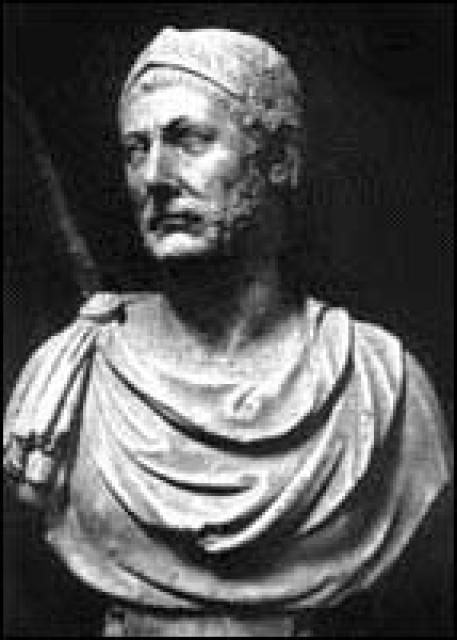
Hannibal Barca, Commander of Carthaginian Forces
Early Life and OathHannibal Barca's exceptional brilliance emerged at a young age. At only nine years old, in the presence of his father, Hamilcar, he swore an oath that would guide his destiny. He vowed to "avenge himself on the Romans." This oath instilled a deep hatred for Rome in Hannibal's heart, a fear that would haunt the Romans for centuries.
Tensions with Rome
Rome and Carthage engaged in a bitter rivalry, vying for control of the Mediterranean. After Rome's victory in the First Punic War, Carthage faced substantial penalties. The Romans acquired Sicily, Sardinia, and Corsica. Seeking to rebuild their power, the Carthaginians conquered southern Spain, rich in mineral resources, and reached an agreement with Rome to establish the River Ebro as their sphere of influence.
Appointment as Commander
In 221 BCE, at the age of 26, Hannibal was elected commander of the Carthaginian forces by his soldiers and confirmed by the people's assembly. His main strength lay in his personal example, leading by doing. He never demanded from his troops anything he could not accomplish himself.
Legendary Campaign
In May 218 BCE, Hannibal embarked on one of the most remarkable campaigns ever undertaken by a general. With 55,000 infantry, 12,000 cavalry, and 37 elephants, he crossed the Alps, a daring feat for the time. He triumphed at the Battle of Cannae, where 45,000 Roman infantrymen and 2,700 cavalrymen were slaughtered. His campaign ultimately culminated in a defeat at the Battle of Zama.
Concern for Soldiers
Hannibal's march across the Alps was driven by necessity, not bravado. He prioritized the preservation of his soldiers' lives, avoiding unnecessary battles and bloodshed. In contrast to Napoleon, who ruthlessly sacrificed lives, Hannibal's concern for his troops earned him unwavering obedience, loyalty, and high morale.
Motivational Techniques
Hannibal used a variety of motivational techniques to inspire his soldiers:
- Graphic Depictions:He vividly illustrated the consequences of defeat, increasing fear and determination.
- Appeal to Emotions:He invoked feelings of betrayal, cruelty, and moral superiority to stir anger and resolve.
- Promise of Reward:He offered divine rewards, appealing to their desire for recognition and success.
- Recognition of Accomplishments:He acknowledged their past victories and personal contributions, instilling pride and confidence.
- Establishing Personal Connections:He knew his soldiers individually, honoring their bravery and making them feel valued.
- Unwavering Belief:He exuded confidence and unwavering belief in their mission.
- Material Incentives:He promised specific rewards, such as land and freedom, to galvanize their efforts before battle.
- Trust and Credibility:His reputation for integrity and keeping his word fueled their motivation.
Lessons for Motivating Employees
Hannibal's motivational strategies offer valuable lessons for modern-day leaders:
- Involve Employees in Decision-Making:Allow them to weigh the pros and cons before committing to a task.
- Understand Their Perspectives:Motivate them by connecting with their values, successes, and personal well-being.
- Show Patience and Support:Believe in their potential and guide them towards excellence.
- Stay Connected and Accessible:Foster open communication and engagement beyond formal channels.


