Gennadi Krasnitsky
- Early Life and Career
- Controversial Character
- Downfall and Disgrace
- Decline and Coaching Career
- Tragic End
- Posthumous Recognition
Early Life and Career
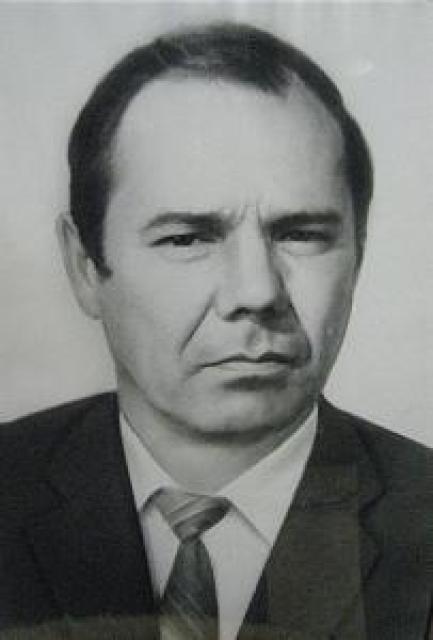
Gennady Aleksandrovich Krasnitsky, born on August 27, 1940, in Tashkent, rose to prominence as a star forward for the Pakhtakor Tashkent football team, where he played for 13 seasons, making over 300 appearances and scoring more than 200 goals. Krasnitsky's exceptional skills on the field, including his mobility and powerful shots that could rip through goal nets, earned him the nickname "cannonball." He became captain of Pakhtakor and was among the first players in the club's history to be awarded the prestigious title of "Master of Sports."
Controversial Character
Krasnitsky's off-field behavior often overshadowed his accomplishments. His rebellious nature and disregard for authority made him a divisive figure. As fame came early for young Krasnitsky, some believed it contributed to his inflated ego. Despite his talent, he refused to conform, resulting in frequent clashes with referees, arrogant treatment of teammates, and excessive partying. However, his goalscoring prowess often compensated for his unruly behavior, at least initially.
Downfall and Disgrace
With Pakhtakor's success on the rise, reaching the sixth place in the 1962 FIFA World Cup, rivals took advantage of Krasnitsky's controversial reputation. A media campaign was launched to undermine him, citing his unruly actions. Once, before a game against Moscow Spartak, he clashed with the Luzhniki Stadium administration and refused to take the field, nearly resulting in his departure from the team.
On another occasion, Krasnitsky shattered glasses in a restaurant, attempted to injure a cash collector, and fled the scene after shots were fired into the air. Such incidents damaged his reputation and led to severe consequences. In November 1962, Krasnitsky was stripped of his "Master of Sports" title and suspended for a year from playing. He was eventually allowed to return to Pakhtakor, but faced continued criticism from the media.
Decline and Coaching Career
Despite his attempts to change his ways, Krasnitsky's behavior remained erratic. In 1971, he retired from playing and embarked on a coaching career. However, his confrontational nature persisted, and he demanded coaching positions with competitive teams.
In 1976, Krasnitsky became Pakhtakor's head coach, but failed to secure their promotion to the top division. He later coached Yangier and Zvezda before becoming the head of the football department for the Republican DFSSPU. His constant conflicts with officials eventually led him to be demoted to the role of judge-inspector.
Tragic End
On June 12, 1988, Krasnitsky was scheduled to inspect a game in Kuva-Tjube. He expressed a desire for his wife and daughter to accompany him to the airport, but his wife was unwell and did not allow their daughter to go without her. Krasnitsky's somber mood and ominous words, "Accompany me for the last time," went unnoticed by his loved ones.
After the game, Krasnitsky exhibited unusual behavior, remaining nervous, smoking excessively, and refusing dinner. He uttered a final farewell before retiring to his bedroom and tragically took his own life by jumping out of the window. The impact with the concrete below killed him instantly.
Posthumous Recognition
In 2006, Gennady Krasnitsky was posthumously awarded the "Shukhrat" medal. A sports complex in Tashkent was named in his honor. Despite his troubled life, Krasnitsky remains an enigmatic figure in Uzbekistani football, remembered both for his brilliance on the field and the demons that ultimately consumed him.