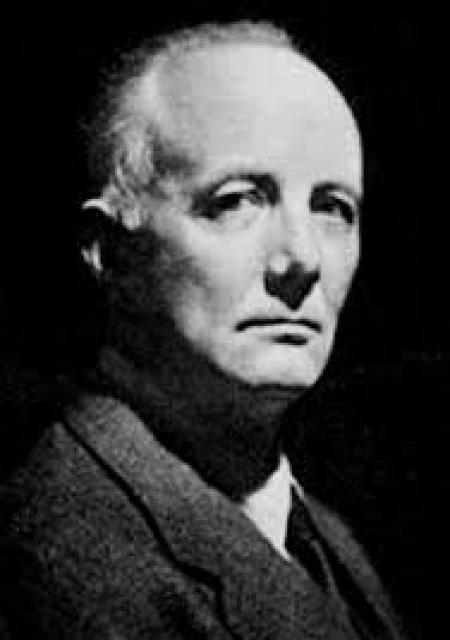
German Raushning
 Poland
- Herman Rauschning: A Journey from Nazi Insider to Outspoken Critic
- Political Involvement and Rise in Nazi Ranks
- Break with Nazism and Exile
- Exposé of Nazism and Post-War Life
- Later Years in the United States
Herman Rauschning: A Journey from Nazi Insider to Outspoken Critic
Early Life and Military CareerBorn into a Prussian aristocratic family on August 7, 1887, Herman Rauschning received an elite education at military cadet schools. During World War I, he served as an infantry lieutenant and was wounded in battle.
Political Involvement and Rise in Nazi Ranks
After the war, Rauschning settled in Danzig and became involved in cultural and political activities. In 1932, he joined the Nazi Party (NSDAP) and quickly became a confidant of Adolf Hitler. Following the Nazi victory in the Danzig senate elections, Hitler appointed Rauschning as its president, a decision that met with resentment from some party veterans.
Break with Nazism and Exile
Rauschning's tenure in Danzig witnessed both his implementation of Hitler's policies and his growing disillusionment with the regime. In 1933, he negotiated a treaty with Poland, acknowledging Danzig's special status. However, his reservations about Nazi ideology and methods led him to abruptly abandon the party in 1936 and emigrate to Switzerland and later England.
Exposé of Nazism and Post-War Life
In exile, Rauschning became a vocal critic of Hitler and Nazism. His books, including "The Conservative Revolution" (1939) and "Conversations with Hitler" (1940), exposed the brutality and nihilism of the regime. Rauschning's name was added to Heinrich Himmler's "Sonderfahndungsliste," targeting anti-Nazi figures for immediate arrest.
Later Years in the United States
After the war, Rauschning settled in Gaston, Oregon, USA, in 1948. He became a farmer and continued to write and speak out against totalitarian regimes. Herman Rauschning died in Gaston in 1982, leaving behind a legacy as both a former Nazi insider and a prominent opponent of extremism.


