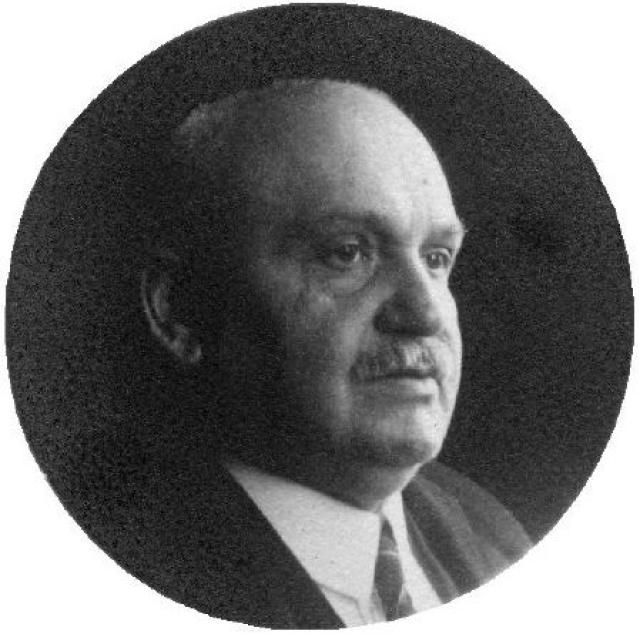
Geza Roheim
 Hungary
- Early Life and Influences
- Psychoanalytic Beginnings
- Field Research and Ethnography
- Academic Trajectory
- Emigration and Career in the US
Early Life and Influences
Géza Róheim, a Hungarian-American psychoanalyst, ethnographer, and anthropologist, began his academic journey studying geography and anthropology at universities in Berlin, Leipzig, and Budapest. Influenced by esteemed professors such as Felix von Luschan and Paul Ehrenreich, he embarked on a path that would shape his intellectual pursuits.
Psychoanalytic Beginnings
Returning to Hungary in 1914, Róheim completed his doctoral studies in geography, oriental history, and English philology. It was during this period that he encountered the works of Sigmund Freud, which profoundly influenced his worldview. Róheim became an early adopter of Freudian psychoanalysis, recognizing its potential to illuminate the study of preliterate cultures.
Field Research and Ethnography
Róheim's transformative journey as an ethnographer began in 1928 with his first major expedition to Central Australia. Funded by Marie Bonaparte, a dedicated follower of Freud, he embarked on an ambitious adventure to explore the psychoanalytic and anthropological aspects of Aboriginal tribes, such as the Aranda and Loritja.
This expedition laid the groundwork for further groundbreaking work. Róheim ventured to Papua New Guinea via Port Moresby and conducted research on Normanby Island. Subsequently, he explored the Yuma Indian reservation on the Mexican-American border.
Academic Trajectory
In 1919, Róheim became the first professor of anthropology at the University of Budapest. His work garnered recognition, including an accolade from Freud himself for an article on the Oedipus complex. From 1932 to 1938, he taught psychoanalysis and anthropology at the Budapest Psychoanalytic Institute.
Emigration and Career in the US
Amidst the political turmoil of pre-World War II Europe, Róheim left Hungary in 1938 and settled in the United States. He joined the staff at the Worcester State Hospital in Massachusetts before establishing a private psychoanalytic practice in New York. From 1940 onwards, he taught at the New York Psychoanalytic Institute. During his time in the US, he continued his research with the Navajo Indians.