Gheorghe Stefan
- George Stephen: Ruler of the Moldavian Principality
- First Reign and Conflict with Khmelnytsky
- Second Reign and Diplomatic Maneuvers
- Alliance with Russia
- Renewed Russian Support and Final Ousting
- Legacy
George Stephen: Ruler of the Moldavian Principality
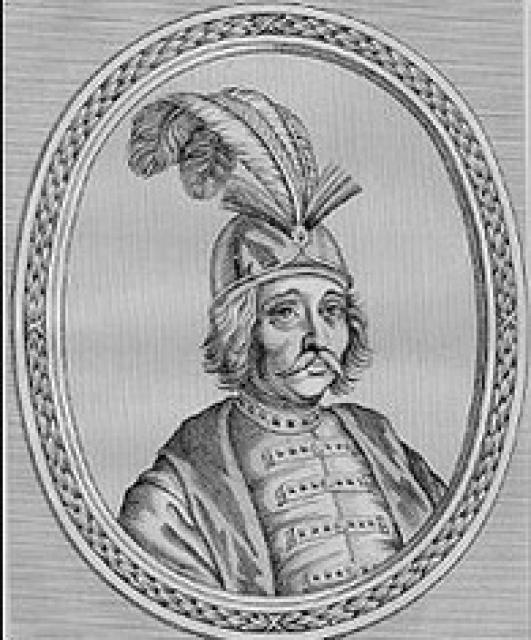
Early Life and AccessionGeorge Stephen was a powerful Moldavian boyar who seized the throne of the Moldavian Principality on April 3 (13), 1653, after conspiring against the incumbent ruler, Vasile Lupu. Stephen's ascension marked the culmination of a tumultuous period in Moldavian history, as Lupu's alliance with Bogdan Khmelnytsky had alienated the Moldavian boyars.
First Reign and Conflict with Khmelnytsky
Stephen's reign was initially beset by challenges. Khmelnytsky, seeking to maintain an ally on the Moldavian throne, dispatched a 12,000-strong army led by his son Tymofiy into Moldavia. Stephen's forces, aided by Transylvanian troops, engaged the Cossacks and Moldavians in battle, resulting in a defeat for Stephen. He was forced to flee, and Lupu was reinstated as ruler.
Second Reign and Diplomatic Maneuvers
Stephen regained the throne in July 1653. Faced with international pressure and domestic unrest, he pursued a cautious diplomatic strategy. He feared reprisals from both Turkey and Khmelnytsky and sought closer ties with Russia. However, Stephen's vacillation and the influence of pro-Ottoman factions within Moldavia prevented a decisive commitment to Russian patronage.
Alliance with Russia
In 1654, Stephen initiated secret negotiations with Moscow through Khmelnytsky. However, pressure from Turkey and Transylvania led him to betray his Russian allies and side with Poland. This move alienated both Khmelnytsky and Moscow.
Renewed Russian Support and Final Ousting
In 1656, Stephen once again sought Russian help, citing his forced abandonment of the Polish alliance. Moscow agreed to accept Moldavia as a protectorate on favorable terms. However, due to international factors, Russia delayed sending an embassy to formalize the agreement. In March 1658, the Ottoman Empire deposed Stephen, who fled into exile in the West.
Legacy
George Stephen's reign was characterized by instability and foreign interference. Despite his attempts to balance between different factions, he was ultimately unable to secure Moldavia's independence or maintain his own power. His ousting by the Ottomans marked the end of a turbulent period in Moldavian history and the beginning of a new era of Ottoman dominance.