Gilles Duceppe
 Canada
- Gilles Duceppe: A Politician with a Storied Career
- Early Life and Political Beginnings
- Entry into Federal Politics
- Ascension to Bloc Québécois Leadership
- Challenges and Electoral Losses
- Resurgence and Leadership Challenges
- Brief Interlude and Return to Federal Politics
Gilles Duceppe: A Politician with a Storied Career
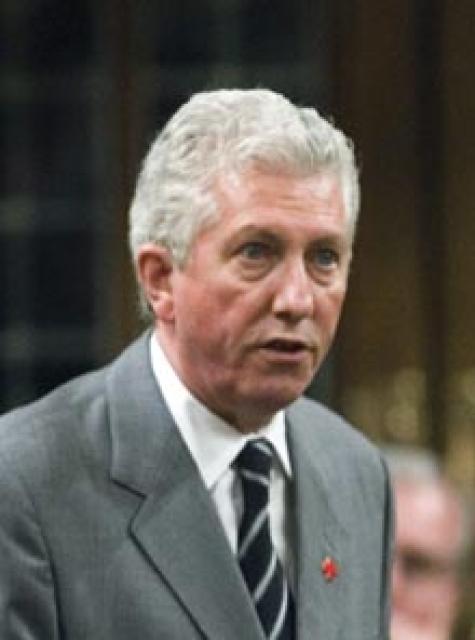
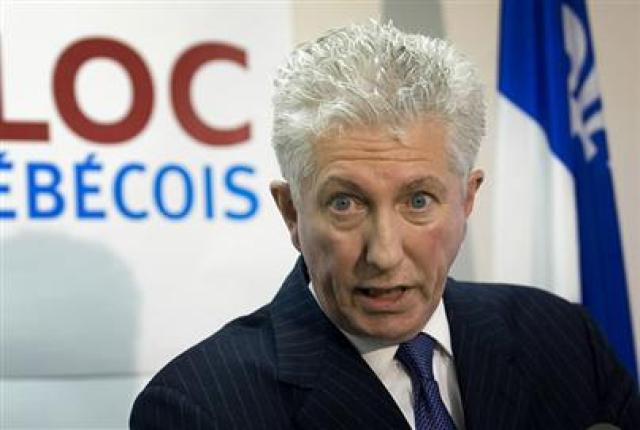
Gilles Duceppe is a renowned Canadian politician known for his role as the leader of the Bloc Québécois (BQ) in the House of Commons of Canada, where he represents the riding of Laurier-Sainte-Marie.
Early Life and Political Beginnings
Born in Montreal, Quebec, to prominent actor Jean Duceppe and Hélène Rowley, Duceppe pursued a degree in political science at the University of Montreal. During his youth, he briefly embraced communism and joined the Communist Workers Party (PCW). He later became involved in the Confederation of National Trade Unions (CNTU).
Entry into Federal Politics
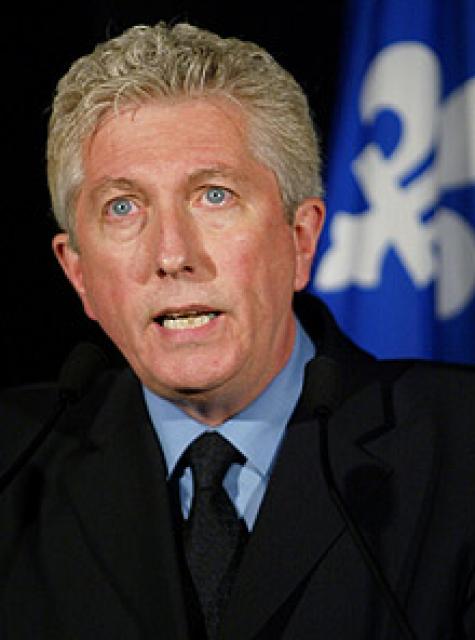
In 1990, Duceppe made history by becoming the first MP elected under the Bloc Québécois banner in a Montreal by-election for the riding of Laurier-Sainte-Marie. However, he officially ran as an Independent, as all other Bloc Québécois MPs had previously defected from either the Conservative or Liberal parties that year.

Ascension to Bloc Québécois Leadership
In 1996, then-Bloc Québécois leader Lucien Bouchard left his post to become active in Quebec politics and lead the Parti Québécois. Duceppe was chosen as the interim leader until Michel Gauthier was appointed. Upon Gauthier's resignation in March 1997, Duceppe became the official leader of the Bloc Québécois.
Challenges and Electoral Losses
In the 1997 general election, the Bloc Québécois lost its status as Official Opposition. The party's seat count dropped from 54 to 44, relegating it to third place in the House of Commons behind the Reform Party of Canada. Duceppe faced a difficult campaign, with the Bloc Québécois's relevance being questioned just two years after the failure of the 1995 Quebec referendum. Dubbed the "Tuque Affair," an incident in which Duceppe was ridiculed for wearing a hairnet during a visit to a cheese factory became a significant blow to his credibility.
In the 2000 election, the Bloc Québécois further declined, winning only 38 seats. However, a sponsorship scandal that broke in 2003 following the departure of Liberal leader Jean Chrétien, boosted the party's prospects.
Resurgence and Leadership Challenges
In the 2004 federal election, Duceppe's shrewd strategy and political acumen led the Bloc Québécois to a significant comeback. The party matched its 1993 result of 54 seats. However, a merger between the Conservative and Reform parties prevented the Bloc Québécois from forming the official opposition.
Despite the party's recent success, a vote of confidence held at the Bloc Québécois National Convention in October 2005 showed that 96.8% of delegates supported Duceppe's continued leadership. However, in 2005, Bernard Landry's resignation as leader of the Parti Québécois sparked speculation about Duceppe's chances of running for the provincial party's leadership. Duceppe quickly put an end to the rumors, stating that he would not leave Ottawa to run.
Brief Interlude and Return to Federal Politics
In May 2007, shortly after the Parti Québécois's defeat in the March 26, 2007, Quebec provincial election and the resignation of its leader André Boisclair, speculation about Duceppe becoming the Parti Québécois leader resurfaced. On May 11, 2007, Duceppe announced his intention to run for the Parti Québécois leadership, only to withdraw within 30 hours and endorse Pauline Marois. A Crop-La Presse poll published in the La Presse newspaper on May 12 suggested Marois had the support of 45% of the electorate, while Duceppe had only 21%.
Returning to the House of Commons on May 14, Duceppe announced he would face another vote of confidence at the October 2007 National Convention. Once again, his caucus unanimously supported him. Duceppe explained that he had prematurely entered the Parti Québécois leadership race and asserted his desire to continue his work at the federal level. That same day, Duceppe accompanied Marois to the Bloc Québécois's Montreal victory celebration, where he pledged his full support to her in the provincial arena.