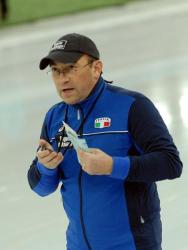
Gus Hiddink
 Netherlands
- Guus Hiddink: The Dutchman Set to Lead Russia's National Team
- International Success with the Netherlands
- Club Success in Spain and South Korea
- Return to PSV and Success with Australia
- The Appointment to Russia
- Expectations and Challenges
- Legacy and Impact
Guus Hiddink: The Dutchman Set to Lead Russia's National Team
Early Career and Success at PSV EindhovenBorn on November 8, 1946, Guus Hiddink embarked on his coaching journey in 1981 as player-manager of De Graafschap. In 1983, he became assistant manager at PSV Eindhoven, later assuming the role of head coach. Under his guidance, the Dutch club became a European powerhouse, winning three Eredivisie titles, two KNVB Cups, and the European Cup in 1988.

International Success with the Netherlands
After a successful spell at PSV, Hiddink took the Netherlands national team helm in 1995. Known for his ability to maximize the potential of the players at his disposal, he led the Oranje to a quarterfinal finish at the 1996 European Championship and a semifinal appearance at the 1998 World Cup, showcasing their trademark attacking style and solid defense.

Club Success in Spain and South Korea
Following his stint with the Netherlands, Hiddink coached Spanish clubs Real Madrid and Real Betis with limited success. In 2001, he accepted the South Korean national team job and guided them to unprecedented heights. At the 2002 World Cup, his team stunned the world by reaching the semifinals, earning him immense popularity in the Asian nation.

Return to PSV and Success with Australia
After leaving South Korea, Hiddink returned to PSV and reached the semifinals of the Champions League in 2005. In 2005, he was appointed coach of the Australian national team and led them to qualification for the 2006 World Cup.

The Appointment to Russia
In 2006, Hiddink was offered a lucrative contract by the Russian Football Union to become the first foreign coach of the Russian national team. The deal was reportedly worth €6 million, making him one of the most sought-after coaches in the world.

Expectations and Challenges
Hiddink's appointment as Russia's manager has raised both expectations and questions. While he is renowned for his ability to create a winning team with limited resources, the challenges of Russian football, such as the lack of independence from club interests, remain.
Legacy and Impact
Guus Hiddink's coaching career has been marked by a unique ability to maximize player potential and achieve unexpected results. As he takes the helm of the Russian national team, his legacy and impact on the world of football are yet to unfold.