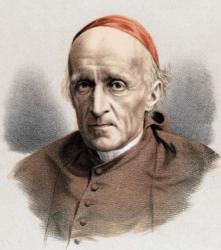
Hans Kung
 Switzerland
- Hans Küng: A Controversial Catholic Theologian
- Priesthood and Early Career
- "Christ Sein" and Modernization of Catholicism
- Conflict with the Vatican
- Unexpected Meeting with Benedict XVI
- Later Life and Legacy
- - He established the Hans Küng Foundation for Global Ethics in 2005.
Hans Küng: A Controversial Catholic Theologian
Early Life and Education- Hans Küng was born in Sursee, Switzerland, on March 19, 1928.
- He studied theology at the Pontifical Gregorian University in Rome and received his doctorate from the Catholic Institute of Paris in 1957.
Priesthood and Early Career
- In 1954, he became a priest of the Roman Catholic Church.- He served as a theological consultant (peritus) at the Second Vatican Council.
- He published influential books such as "The Church" (1967) and "Infamous? An Inquiry" (1970).
"Christ Sein" and Modernization of Catholicism
- In 1974, Küng published his magnum opus, "Christ Sein" ("Being Christian").
- He became known as a leading advocate for modernizing Catholicism, which drew criticism from the Vatican's Congregation for the Doctrine of the Faith.
Conflict with the Vatican
- The Congregation for the Doctrine of the Faith banned Küng from teaching at the University of Tübingen in 1979.
- Küng criticized Pope John Paul II and Cardinal Joseph Ratzinger (later Pope Benedict XVI) for their conservative views.
Unexpected Meeting with Benedict XVI
- In September 2005, Küng met with Pope Benedict XVI, surprising many observers.
Later Life and Legacy
- Küng continued to write and publish extensively on theological issues.
- He established the Hans Küng Foundation for Global Ethics in 2005.
- He passed away on April 6, 2021, at the age of 93.Key Contributions
- Hans Küng played a significant role in the modernization of Catholic theology.
- He advocated for interfaith dialogue and emphasized the importance of social justice.
- His writings continue to influence theological discourse and inspire future generations of theologians.