Hans Selye
 Canada
- Biograpgy of Hans Selye
- Education and Career
- Contributions and Discoveries
- Personal Life
- Later Years and Legacy
Biograpgy of Hans Selye
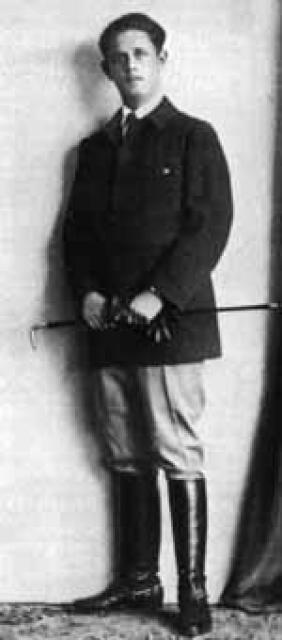
Early LifeHans Selye was a Canadian pathologist and endocrinologist of Austro-Hungarian origin. He was born in a small town called Komarno in the Austro-Hungarian Empire. Growing up, Selye faced numerous sources of stress, including his multilingual upbringing and the uncertainty of his nationality due to the changing borders in the region.
Education and Career
Selye attended the medical faculty of the University of Prague in 1924. However, he found that the university clinic lacked the necessary resources for his research on the body's reactions to different infections. He then moved to the University of Paris, where he faced difficulties with his professors. Selye returned to Prague before finally completing his medical degree in 1931. He also obtained a doctorate in chemical sciences and received a Rockefeller scholarship.
In 1931, Selye began his research on stress, which would become his life's work. He conducted experiments on rats and found that they exhibited physical and hormonal changes when exposed to adverse conditions. These findings led him to propose the theory of stress and its effects on the body.
Contributions and Discoveries
Selye's groundbreaking research on stress revealed its connection to various diseases, such as arthritis, heart disease, and asthma. He discovered that stress triggers the release of hormones, particularly adrenaline, which can have detrimental effects on the body. Selye's work revolutionized the understanding of stress and its impact on human health.
Personal Life
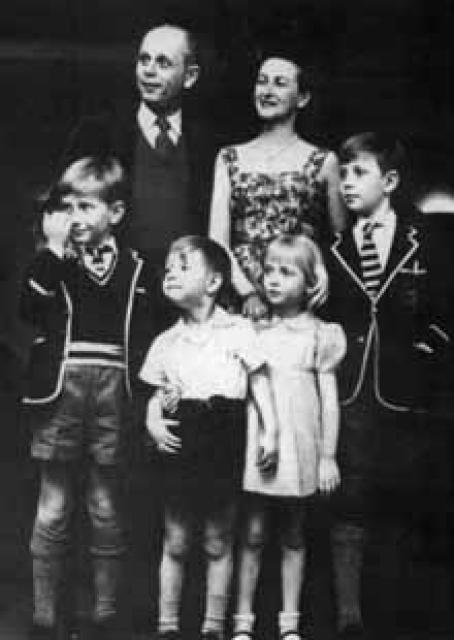
Throughout his life, Selye faced personal challenges and stresses. He was twice married and experienced difficulties in his relationships. His first wife divorced him due to his constant absence in university laboratories, while his second wife, Gabriel, bore him four children before they eventually divorced after 28 years of marriage. Despite his personal struggles, Selye found solace in his scientific achievements and the recognition he received from the scientific community.

Later Years and Legacy
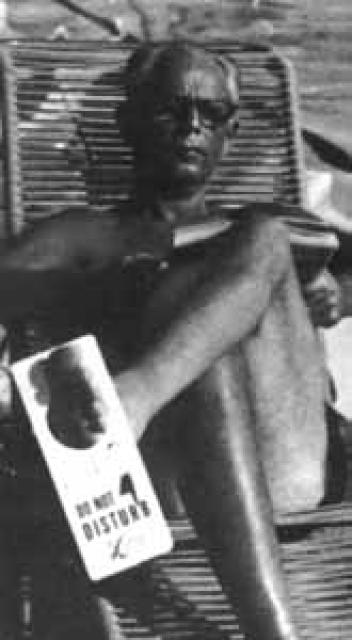
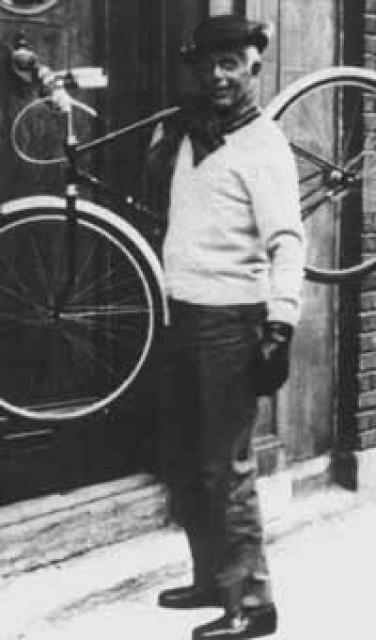
In 1950, Selye opened his own Institute of Stress, where he dedicated his research to finding ways to combat stress. He believed that his wife, Louise, would help him find the answers to this question. However, instead of conventional methods, Louise encouraged activities such as cycling and adopting a carefree attitude as ways to alleviate stress.
Selye's work gained international recognition, and his books were translated into 17 languages. He authored over 1,700 academic articles and 39 books on the nature of stress. Even after his death in 1982, his research continued to be cited in countless scientific articles and remains influential in the field of stress studies. Selye is still regarded as the most cited author in stress-related articles.
Despite his extensive contributions to stress research, Selye was unable to find a cure for this ubiquitous condition. His life experiences and scientific discoveries highlight the complex nature of stress and the ongoing challenges it presents in our lives.


