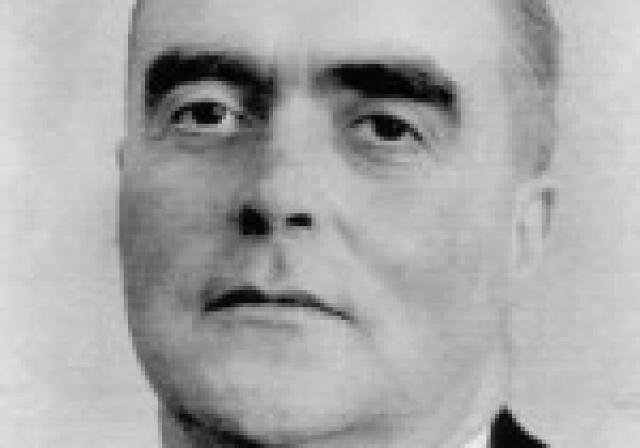
Harry Bates
 USA
USA- Harry Bates: Visionary Editor and Writer
- Early Life and Career
- The Birth of Astounding Stories
- A New Approach to Science Fiction
- Strange Tales and Other Ventures
- Departure from Astounding and Later Years
- Legacy
Harry Bates: Visionary Editor and Writer
Harry Bates (1900-1981) was an influential American editor and writer who played a pivotal role in the development of science fiction.
Early Life and Career
Born in Pittsburgh, Pennsylvania, Bates attended Allegheny College and the University of Pennsylvania but left without receiving a degree. He worked as a watchmaker, newspaper reporter, and cinematographer before joining the editorial staff of Publisher's Fiscal Corporation (later Clayton Magazines) in the 1920s.
The Birth of Astounding Stories
In 1929, Bates was approached by William Clayton, the owner of Clayton Magazines, to create a new magazine to utilize unused space on the company's color printing presses. Bates proposed a science fiction magazine, recognizing the potential for success following the popularity of "Amazing Stories."
A New Approach to Science Fiction
Bates rejected the scientific emphasis of competing magazines and introduced the concept of "super science," which gave authors greater creative freedom. This approach allowed for more entertaining and imaginative stories and quickly made "Astounding Stories of Super Science" (later renamed "Astounding") the leading science fiction magazine.
Strange Tales and Other Ventures
Under Bates's editorship, Clayton Magazines also published "Strange Tales," a horror and fantasy magazine. Bates contributed short stories to "Astounding," often writing under pseudonyms such as H.B. Winter and Anthony Gilmore. His Hawk Carse series, published as "Anthony Gilmore," became particularly popular.
Departure from Astounding and Later Years
Clayton Magazines went bankrupt in 1933, leading to the sale of "Astounding" to Street and Smith. Bates left his editorial position but continued to publish science fiction stories under his own name and the pseudonym A.R. Holmes. His most notable story, "Farewell to the Master" (1940), inspired the classic film "The Day the Earth Stood Still" (1951). Bates worked in support roles at Hollywood studios in the 1950s and 1960s and passed away in poverty in 1981.
Legacy
Harry Bates's vision and innovative approach to science fiction left an enduring mark on the genre. His magazines and stories helped shape the development of modern science fiction and continue to inspire readers and writers alike.


