Helen Smarty
 Russia
- A Mythic Birth and a Contested Marriage
- The Trojan War
- Return and Later Legends
- A Figure Between Beauty and Blame
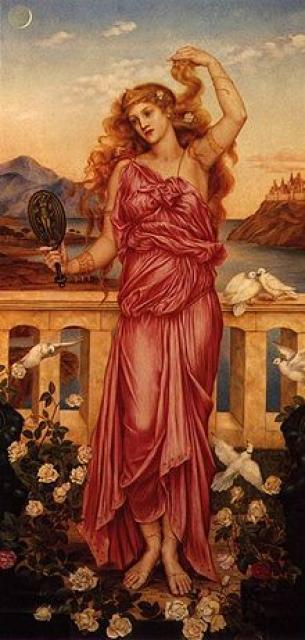
Helen of Troy, also known as Helen of Sparta, is a legendary figure in ancient Greek mythology. Celebrated for her beauty, she is the daughter of Zeus and Leda in the best-known tradition and the wife of Menelaus, king of Sparta. Her departure with Paris of Troy becomes the spark for the Trojan War in the stories told by Greek poets.
A Mythic Birth and a Contested Marriage
Ancient writers offered several accounts of Helen’s birth. In the most familiar version, Zeus approached Leda in the form of a swan, and Helen was born alongside siblings who included Castor, Pollux, and Clytemnestra. Other tellings make Nemesis her mother or give her a different divine ancestry. Such variations are typical of Greek myth, which developed through many local traditions and literary retellings.
Helen married Menelaus, and the couple ruled Sparta. When the Trojan prince Paris visited, he left with Helen for Troy. Some versions describe her as willingly accompanying him; others emphasize abduction or divine intervention. The competing accounts leave open questions of agency and responsibility that later writers repeatedly explored.
The Trojan War
Menelaus and his brother Agamemnon gathered Greek leaders to sail against Troy, and the conflict became the setting for Homer’s Iliad. Helen appears in the poem not as a simple prize but as a figure keenly aware of the war’s human cost. She recognizes Greek warriors from Troy’s walls and expresses regret over the violence associated with her departure.
In one alternative tradition, the poet Stesichorus told that the real Helen never went to Troy: Hera created a phantom in her likeness, while Helen remained in Egypt. Euripides developed this idea in his tragedy Helen, turning the familiar story into a meditation on reputation, appearance, and mistaken identity.
Return and Later Legends
After Troy fell, Homer’s Odyssey describes Helen returning to Sparta with Menelaus. Later stories give her different fates, including exile or death after Menelaus’s passing. These endings vary by author and region, reflecting the open-ended nature of Greek myth rather than a single settled biography.
A Figure Between Beauty and Blame
Helen’s story has been retold for centuries in epic, drama, art, and modern literature. Her legendary beauty is often used to explain the war, yet the ancient stories also question whether she chose her path, was manipulated by the gods, or became a scapegoat for decisions made by men. There is no secure historical evidence that Helen existed as a real queen; her importance lies in the enduring myth and the questions it raises about desire, power, and responsibility.


