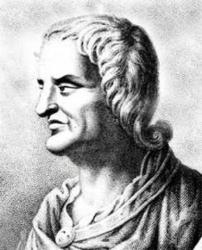
Hodzha Yasavi
 Kazakhstan
- Hodja Ahmed Yassawi: The Founder of Turkic Sufism
- Early Life and Spiritual Journey
- Path to Sufism: Traditions and Lineages
- Establishment in Yasy and Influence
- Literary Legacy: "The Book of Wisdom"
- Architectural Monument: The Mausoleum
- Diverse Perspectives on Spiritual Lineage and Islamization
- Influences on Turkic Sufism
- A Legacy that Endures: Cultural Significance
Hodja Ahmed Yassawi: The Founder of Turkic Sufism
Introduction: A Thoughtful Poet and Sufi MasterHodja Ahmed Yassawi, a renowned thinker, poet, and the founding figure of the Turkic branch of Sufism, has left an enduring legacy in the spiritual development of Central Asia. His teachings and writings continue to inspire and guide generations of seekers and scholars.
Early Life and Spiritual Journey
Ahmed Yassavi was born in 1103 in Sayram, a city in present-day Kazakhstan. At the age of 7, he lost his father and was entrusted to the teachings of Arystanbab, a revered Sufi master. In his youth, Ahmed Yassavi embarked on a journey to the city of Yasy (now Turkestan). Here, according to his own writings, he met his first disciple, Mansur, the son of Arystanbab.
Path to Sufism: Traditions and Lineages
Yassawi then traveled to Bukhara, where he studied under the tutelage of the renowned Sufi master Hamadani. Upon completing his studies, he returned to Yasy and established a tradition of spiritual guidance that continued the teachings of Arystanbab.
According to Sufi tradition, Yassawi's spiritual lineage can be traced back to the Prophet Muhammad through a chain of intermediaries, known as a "silsila." This lineage included notable figures such as Abu Bakr, the first Caliph, and Salman al-Farisi, a prominent early Sufi.
Establishment in Yasy and Influence
Yassawi's teachings and presence in Yasy attracted a vast number of followers and pilgrims. He played a pivotal role in spreading Islam and establishing Sufi practices among the Turkic peoples. Yassawi lived a simple and humble life, spending his final years in an underground chamber.
Literary Legacy: "The Book of Wisdom"
Yassawi's literary masterpiece, known as "Diwan-i Hikmet" (The Book of Wisdom), is a collection of poems that elucidate profound Sufi teachings. It is written in the Kipchak dialect of Turkic, making it accessible to a wide audience. The "Hikmet" explores themes of divine love, self-knowledge, and the path to spiritual enlightenment.
Architectural Monument: The Mausoleum
A magnificent mausoleum, known as the "Khazret Sultan," was built in Yassawi's honor under the patronage of Timur. This architectural marvel is a testament to the enduring legacy of the Sufi master. The mausoleum boasts intricate turquoise glazed bricks, elegant calligraphic ornamentation, and a vast interior adorned with colorful tiles.
Diverse Perspectives on Spiritual Lineage and Islamization
Various narratives exist regarding Ahmed Yassawi's spiritual lineage and the role he played in the Islamization of Central Asia. Some local legends connect him to the Prophet Muhammad, while other historical accounts trace his teachings to earlier Sufi figures.
Influences on Turkic Sufism
Yassawi's teachings and writings had a profound impact on the development of Turkic Sufism. His emphasis on personal experience and communion with God appealed to the spiritual sensibilities of the Turkic peoples. Yassawi's ideas were adapted and integrated into the existing beliefs and practices of the region, resulting in a unique form of Sufism that resonates with Turkic culture.
A Legacy that Endures: Cultural Significance
The legacy of Ahmed Yassawi continues to shape the spiritual and cultural life of Turkic societies. His teachings and writings are revered as a testament to the transformative power of Sufism. The mausoleum in Yasy remains a pilgrimage site, attracting visitors from around the world. Yassawi's teachings inspire artists, poets, and seekers to this day, embodying the essence of spiritual exploration and the pursuit of unity with the divine.