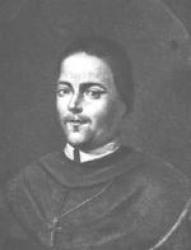
Horace
 Italy
Italy- Personal Life
- Literary Patronage and Influence
- Poetic Accomplishments
- Influence on Later Literature
- Legacy
Personal Life
Quintus Horatius Flaccus, known as Horace, was born in Venusia, Italy, in 65 BC. His father, a former slave, provided Horace with a solid education in Rome and Athens. Horace briefly served in the Roman army under Brutus, infamously abandoning his shield in the Battle of Philippi.
Literary Patronage and Influence
After the civil war, Horace received a pardon and returned to Italy, where he struggled financially. He found patronage under Gaius Maecenas, a close associate of Emperor Augustus. Maecenas gifted Horace with a modest estate near Tivoli. Horace's literary circle included Virgil and Lucius Varius Rufus.
Poetic Accomplishments
Horace is renowned as one of the greatest poets of the Augustan Age. In 17 BC, he was commissioned to write a choral hymn for the secular games, demonstrating his recognition as a poet of stature. His works, including "Satires," "Odes," and "Ars Poetica," explored themes of simple living ("beatus ille"), carpe diem, and moderation ("aurea mediocritas").
Influence on Later Literature
Horace's poetry significantly influenced later poets, including Petrarch, Dante, Garcilaso de la Vega, and Shakespeare. His "Ars Poetica" became a revered guide to literary form and style. Latin maxims coined by Horace, such as "Dulce et decorum est pro patria mori" and "Carpe diem," continue to be widely quoted.
Legacy
Horace passed away in Rome in 8 BC, bequeathing his estate to Emperor Augustus. He left an enduring legacy as a master poet whose works have inspired and guided generations of writers. His writings remain a testament to his literary genius and the socio-political landscape of ancient Rome.