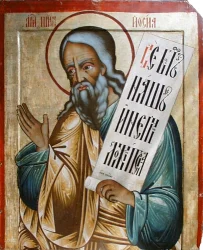
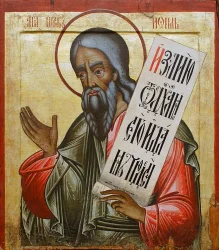
Hosea
Hosea was an eighth-century BCE prophet associated with the northern kingdom of Israel. His name is attached to the Book of Hosea, a collection of prophetic messages that confront political instability, religious practice and social injustice. The book’s dramatic account of Hosea’s marriage to Gomer became a powerful metaphor for Israel’s relationship with God, though the details of the prophet’s life are known chiefly through the text itself.
Prophet in the Northern Kingdom
The book’s opening identifies Hosea as the son of Beeri and places his ministry during the reigns of Jeroboam II of Israel and several kings of Judah. This setting points to the mid-to-late eighth century BCE, a time when the northern kingdom moved from prosperity into political turmoil as Assyria grew in power.
Hosea directed much of his preaching to Israel, which the text also calls Ephraim. He condemned injustice, political intrigue and reliance on foreign alliances, especially the kingdom’s attempts to secure protection by turning to Assyria or Egypt. His messages warned that these choices would bring disaster unless the people returned to their covenant with God.
Marriage and Prophetic Message
The opening chapters tell how Hosea married Gomer and how their family’s names became signs within his prophecies. The narrative compares Israel’s unfaithfulness to a broken marriage bond, while also presenting divine compassion as a possibility for restoration. Readers and scholars have long debated how literally to interpret the account and how much of it functions as symbolic storytelling.
The imagery gives the book much of its emotional force. Hosea speaks of judgment, but also of love and reconciliation, portraying a relationship that persists despite betrayal. Later biblical writers drew on this language when discussing faithfulness, mercy and the hope of renewal.
The Book and Its Legacy
Hosea is among the earliest Israelite prophets whose words survive in a biblical book bearing his name. The text combines prophetic oracles and biographical material, and it appears to have been transmitted and shaped for later audiences after the northern kingdom fell to Assyria in 722 BCE.
His message influenced later Jewish and Christian traditions, particularly its vivid language about covenant loyalty and compassion. Because there are no independent records that establish the events of his life, Hosea is known primarily through the prophetic voice and literary portrait preserved in the book.