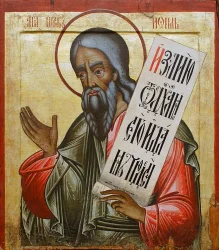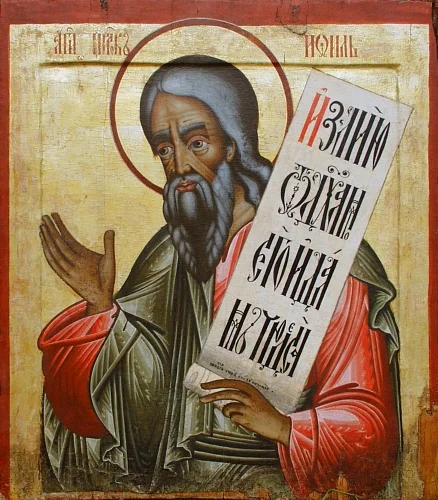
Joel
Joel is the biblical prophet associated with the Book of Joel, one of the Twelve Minor Prophets in the Hebrew Bible. The book identifies him as “Joel son of Pethuel,” but offers no other clear personal details. His date and setting remain subjects of scholarly debate, so his life cannot be reconstructed in the way that of a historically documented ruler or court figure can.
A Prophet in Judah
The text presents Joel as addressing the people of Judah and Jerusalem during a crisis marked by a devastating locust plague. He calls the community to gather for fasting and prayer, with priests and elders taking leading roles. The catastrophe becomes a lens through which the book considers judgment, repentance, and the possibility of restoration.
Joel’s message is notable for its imagery of the “day of the Lord,” a time of divine intervention and reckoning. The book moves from descriptions of agricultural devastation toward promises of renewal, including the restoration of the land and the outpouring of the spirit. These themes gave the work enduring importance in Jewish and Christian traditions.
Dating and Historical Context
Unlike many prophetic books, Joel does not name a reigning king or provide a firm chronological marker. Scholars have proposed dates ranging from the pre-exilic period to several centuries later; many current reference works favor a date in the Persian period, though the question is not settled. Its references to Judah, Jerusalem, the temple, and other prophetic writings inform these debates, but none provides an uncontested date.
The prophet is also not clearly identified with any other biblical person named Joel. Beyond the book’s opening line, there is no independent account of his family, career, or death. For that reason, biographical claims about his personal life should be treated cautiously.
Legacy
The Book of Joel became influential far beyond the circumstances it describes. Its vivid locust imagery and vision of renewal have been interpreted in different ways across religious traditions. In the New Testament, Peter quotes Joel’s prophecy about the outpouring of the spirit during the events of Pentecost. Joel’s lasting historical significance lies in the literary and religious legacy of the book attributed to him.